
Over-Themed Ethnic Restaurants Failing reason
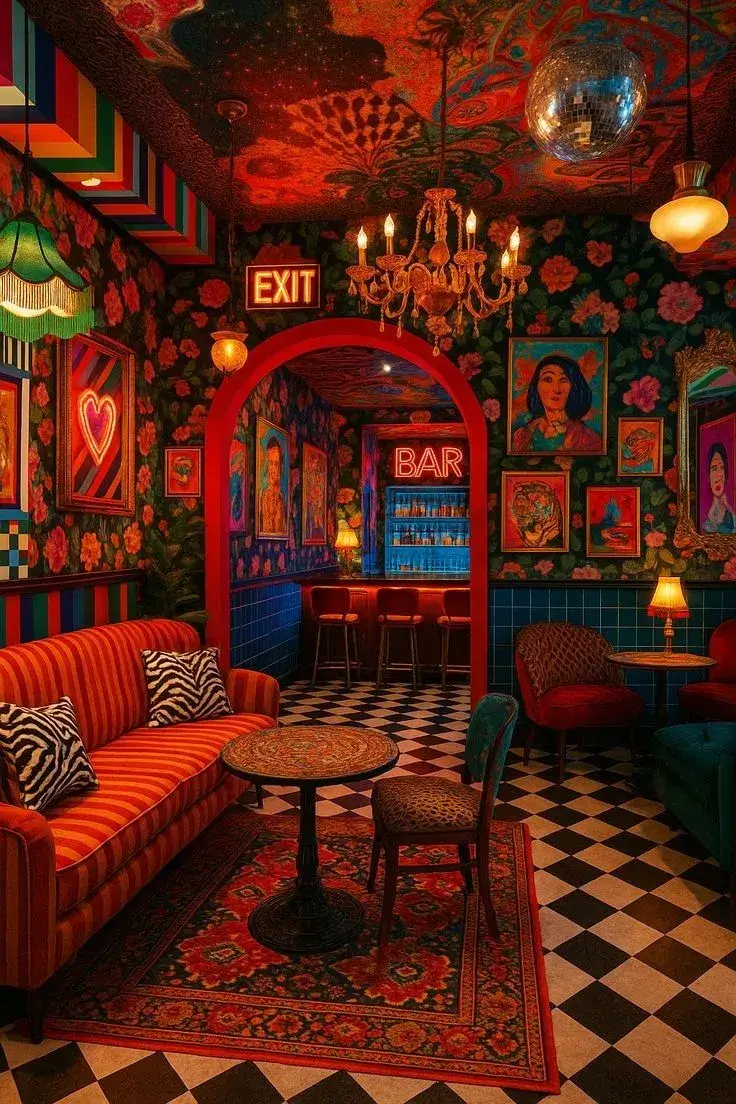
We all know that feeling when we walk into a restaurant and something seems… off. Maybe it’s the bright neon signs flashing in your face, or the decorations that look like they came straight from a movie set. Everything screams “authentic culture!” but instead of feeling genuine, it feels like a performance—like you’re eating in a theme park version of another country rather than experiencing the real thing.
This is what I call the “Disneyland Effect”—when a restaurant tries so hard to prove how “authentic” it is that it ends up feeling fake. Instead of honouring a culture, it turns it into a cartoon. And the worst part? It doesn’t just look silly—it actually pushes people away.
And here’s the problem: it doesn’t work. Diners today are smarter. They can tell when a place is putting on a show rather than offering something real. So why do so many restaurants fall into this trap? And how can they avoid it?
1. The Problem: Over-Theming Feels Like a Parody
Imagine walking into a “Mexican” restaurant where every wall is covered in sombreros, fake cacti, and cartoonish murals of bandits. It might be colourful, but does it feel like Mexico? Or does it feel like a caricature?
That’s the Disneyland Effect—when a restaurant exaggerates cultural elements so much that it becomes a stereotype rather than an homage.
Why does this backfire?
- Diners feel it’s inauthentic. People who actually know the culture will find it tacky or even offensive.
- It appeals only to tourists. Locals and food lovers avoid places that feel like a gimmick.
- It dates quickly. Trends fade, but real craftsmanship lasts.
A better approach? Subtlety.
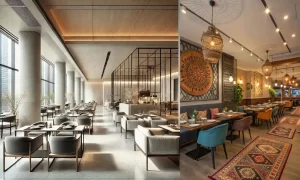
2. Why Subtle Cultural Cues Work Better
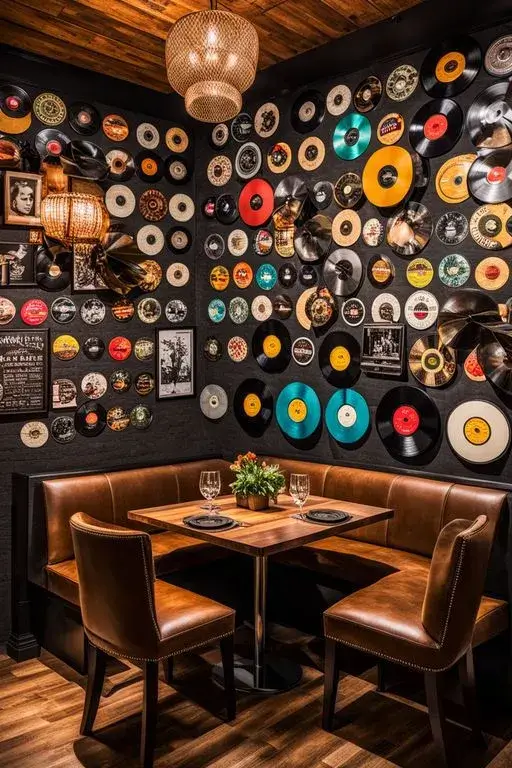
You don’t need neon signs to tell people what kind of food you serve. Small, thoughtful details do the job—and do it better.
Examples of effective subtle touches:
- Utensil placement: A Thai restaurant that serves sticky rice in traditional bamboo baskets instead of generic bowls.
- Local artisanship: Handmade pottery, woven textiles, or furniture from the region—things that tell a story.
- Lighting & music: Soft, warm lighting instead of blinding neon; background music that’s traditional but not overpowering.
Real-world case: A Japanese izakaya that uses reclaimed wood, simple tableware, and seasonal ingredients feels far more authentic than one with paper lanterns and blaring karaoke.
3. The Business Case for Authenticity
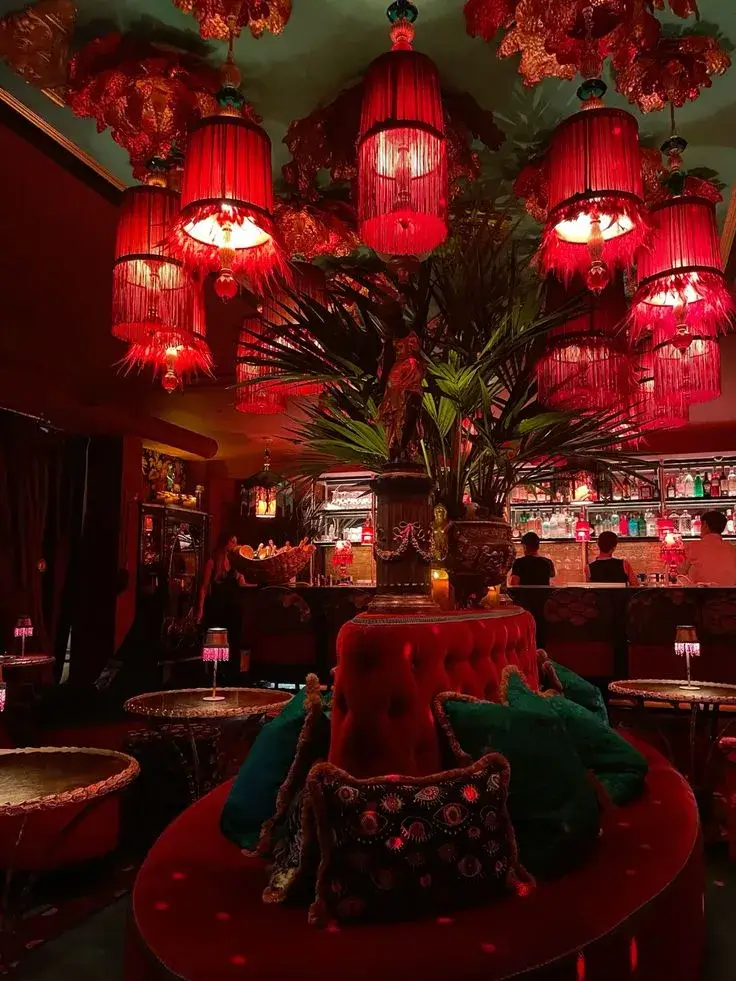
This isn’t just about aesthetics—it’s about what customers actually want.
- People trust authenticity. Word spreads when a place feels real, not staged.
- It attracts the right crowd. Food lovers, critics, and locals will return.
- It lasts longer. A well-designed space doesn’t need constant updates to stay relevant.
For Instant Query Call us at : +91 8588 999 885 / 999 999 3775 Email us at : [email protected]
4. How to Avoid the Over-Theming Trap
If you’re designing (or redesigning) an ethnic restaurant, here’s how to keep it real:
✅ Do your research. Work with restaurant designers from the culture you’re representing.
✅ Use real materials. Handmade tiles, natural wood, local artwork—skip the plastic decor.
✅ Let the food lead. If the flavors are authentic, the decor should complement, not overpower.
Final Thought: Authenticity Speaks for Itself
A great ethnic restaurant doesn’t need to shout. It doesn’t need neon or clichés. It just needs to feel real.
Next time you’re out to eat, notice the difference between a place that’s trying too hard and one that gets it right. The best restaurants don’t just serve food—they tell a story. And the best stories don’t need flashy costumes to be believed.What’s your favourite example of a restaurant that gets cultural design right? Let me know in the comments!