
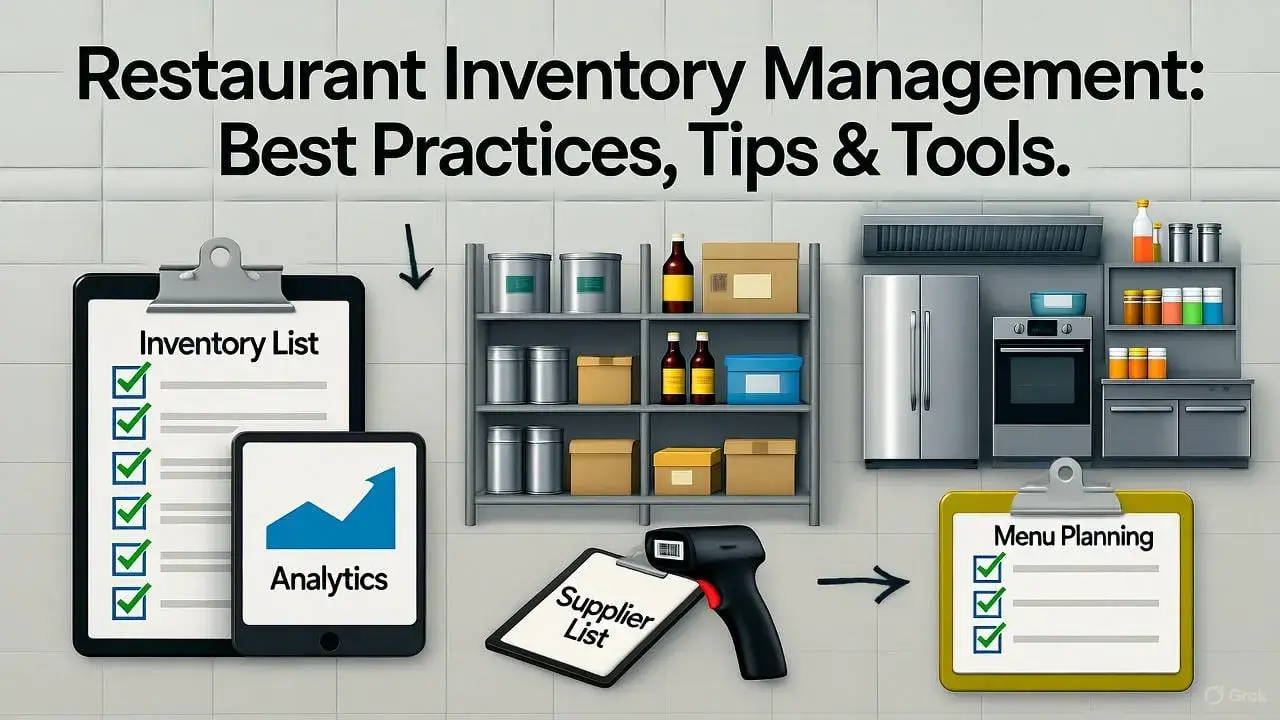
Efficient inventory management is one of the most critical factors in running a successful restaurant. From controlling food costs to minimizing waste, keeping track of stock and supplies ensures smooth daily operations and higher profitability. Many restaurant owners underestimate the importance of a systematic approach, but restaurant inventory management can make the difference between a thriving establishment and a struggling one.
What is Restaurant Inventory Management?
Definition and Key Concepts
Restaurant inventory management involves tracking and controlling all the supplies, ingredients, and materials used in a restaurant. It ensures that stock levels are optimal and that nothing is wasted or overlooked. Inventory can be managed using two main methods:
- Perpetual Inventory: Continuous tracking of stock in real-time using software or automated systems.
- Periodic Inventory: Manual counting of stock at regular intervals, such as weekly or monthly.
Proper inventory management helps restaurants operate efficiently, avoid stockouts, and maintain high-quality service standards.
Benefits of Effective Inventory Management
- Reduce Food Wastage: By monitoring stock levels and expiration dates, restaurants can minimize spoilage.
- Lower Food Costs: Controlling over-ordering and optimizing ingredient usage keeps costs under control.
- Prevent Stockouts and Overstocking: Ensures critical ingredients are always available without tying up excess capital.
- Streamline Kitchen Operations: Organized stock and predictable supply levels simplify daily preparation.
Common Challenges in Restaurant Inventory Management
Managing inventory in a busy restaurant environment is not without its challenges:
- Human Error: Manual tracking can lead to mistakes in counting or recording stock.
- Spoilage and Expiration: Perishable items have a limited shelf life, making tracking crucial.
- Over-Ordering or Under-Ordering: Imbalances in supply can result in lost sales or unnecessary costs.
- Lack of Real-Time Reporting: Without timely data, restaurants struggle to make informed decisions.
These challenges highlight the need for structured inventory control for restaurants and the use of effective tools.
Best Practices for Restaurant Inventory Management
Track Inventory Regularly
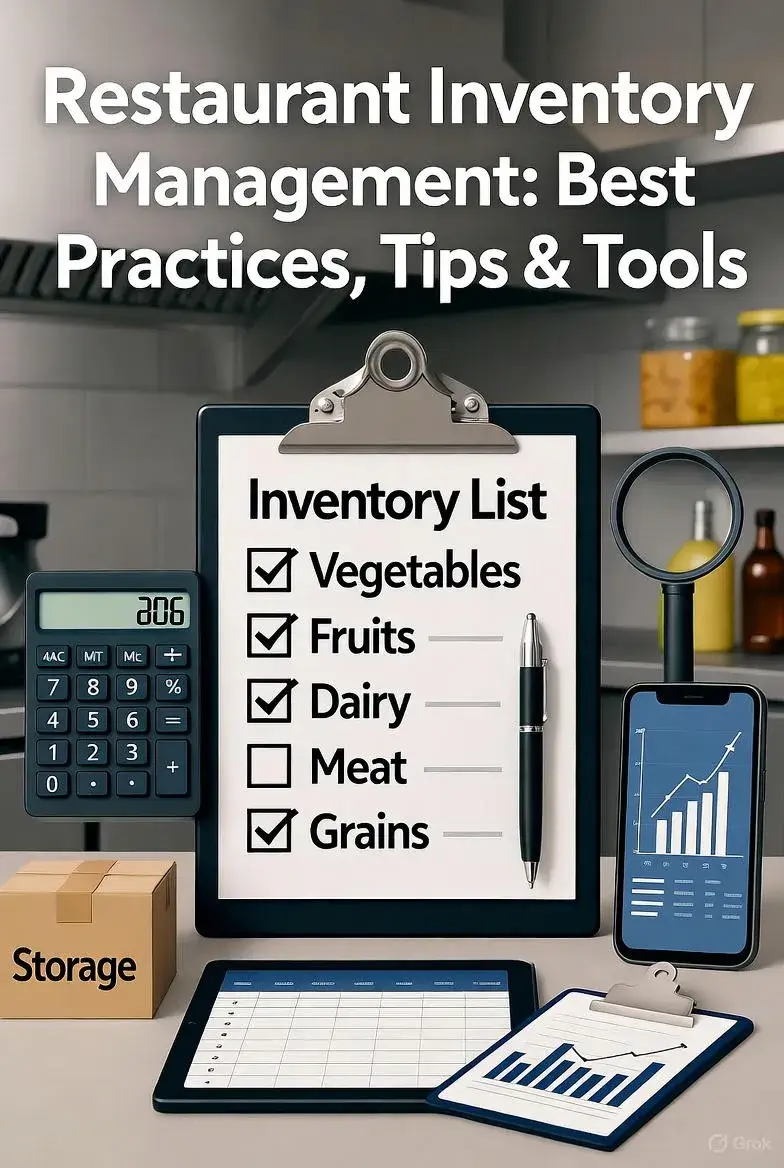
Daily or weekly stock checks are essential. Staff should follow standard procedures and checklists to ensure accuracy. Regular tracking helps identify discrepancies early and maintain smooth operations.
Categorize Inventory
Organizing inventory into categories simplifies management:
- Food items: Perishable vs non-perishable.
- Beverages: Alcoholic and non-alcoholic.
- Supplies: Cleaning materials, utensils, and kitchen tools.
Implement FIFO (First In, First Out)
Using older stock before newer deliveries reduces spoilage and ensures freshness. This method is especially important for perishable items like dairy, meat, and produce.
Set Par Levels for Ingredients
Determine minimum stock levels for critical items and set alerts for reordering. This prevents shortages while avoiding unnecessary overstocking.
Regularly Audit Inventory
Compare physical stock with recorded data. Audits help detect errors, theft, or wastage and allow management to adjust ordering and storage practices.
Restaurant Inventory Management Tools: International & India-Friendly Options
India-Friendly Solutions
- GoFrugal
- Overview: An Indian ERP solution tailored for restaurants.
- Features: GST-compliant billing, inventory management, and analytics.
- Ideal For: Indian restaurants needing compliance with local regulations.
- Pricing: Starts at ₹500 per user/month gofrugal.com.
- POSist
- Overview: A cloud-based restaurant management software.
- Features: Inventory tracking, billing, and multi-location support.
- Ideal For: Restaurants with multiple outlets and online ordering.
- Pricing: Starts at ₹36,800 excl. GST posist.com.
- Petpooja
- Overview: A comprehensive restaurant POS system.
- Features: Inventory automation, billing, and menu management.
- Ideal For: Quick-service restaurants and cloud kitchens.
- Pricing: Contact for pricing petpooja.com.
- Torqus
- Overview: A restaurant ERP system offering end-to-end solutions.
- Features: Inventory control, procurement, and central kitchen management.
- Ideal For: Growing restaurant chains and multi-location operations.
- Pricing: Contact for pricing softwaresuggest.com.
- Vyapar
- Overview: An Indian accounting and inventory management app.
- Features: Stock tracking, GST billing, and expense management.
- Ideal For: Small to medium-sized restaurants and cafes.
- Pricing: Free version available; premium plans start at ₹1,500/year.
International Solutions
- TouchBistro
- Overview: A user-friendly, iPad-based POS system designed for restaurants.
- Features: Real-time inventory tracking, menu management, and reporting.
- Ideal For: Restaurants seeking a mobile and intuitive solution.
- MarketMan
- Overview: A cloud-based inventory and order management platform.
- Features: Supplier management, purchase order automation, and waste tracking.
- Ideal For: Multi-location restaurants aiming for centralized control.
- BlueCart
- Overview: A procurement and inventory management system.
- Features: Streamlined ordering, supplier communication, and inventory tracking.
- Ideal For: Restaurants looking to simplify their supply chain.
- Upserve
- Overview: A comprehensive restaurant management platform.
- Features: POS, inventory, and analytics tools.
- Ideal For: Full-service restaurants desiring an all-in-one solution.
- Toast
- Overview: A cloud-based POS and restaurant management system.
- Features: Inventory tracking, employee management, and reporting.
- Ideal For: Restaurants seeking a scalable and integrated platform.
These tools simplify restaurant stock management and reduce manual effort.
Also read previous article – Cost Control Strategies for Multi-Outlet Restaurants: Proven Ways to Boost Profits
Manual & Hybrid Methods
Smaller restaurants may use spreadsheets, checklists, and logs. While labor-intensive, this method works for establishments with lower volumes and simpler operations.
Choosing the Right Tool
When selecting inventory management software, consider:
- Restaurant size and number of outlets.
- Budget constraints.
- Integration with POS systems.
- Reporting and analytics capabilities.
Tips to Reduce Food Wastage
Reducing food waste is a major goal of restaurant inventory management. Some practical tips include:
- Track Expiry Dates Accurately: Keep perishable items visible and rotated properly.
- Portion Control: Standardize serving sizes in preparation.
- Menu Planning: Adjust offerings based on sales patterns to avoid overproduction.
- Monitor Supplier Deliveries: Coordinate with suppliers to receive only what’s needed.
These steps improve profitability while promoting sustainability.
How Restaurant Consultants Help with Inventory Management
Professional restaurant consultants provide expertise in streamlining operations and improving profitability. They can:
- Analyze current inventory processes and identify inefficiencies.
- Recommend the most suitable restaurant inventory management tools and software.
- Train staff in best practices for tracking and handling stock.
- Identify cost-saving opportunities and reduce wastage.
By leveraging consultant guidance, restaurant owners can maintain efficient inventory control without trial-and-error mistakes.
Conclusion
Effective restaurant inventory management is a cornerstone of operational success. By implementing best practices, using the right tools, and seeking expert guidance, restaurants can reduce waste, optimize costs, and improve overall efficiency. Whether through software or professional consultants, a systematic approach to inventory ensures that every ingredient is accounted for and every operation runs smoothly.
FAQs
Q1: What is the best inventory management software for restaurants?
A: Software like TouchBistro, MarketMan, Upserve, and Toast are highly effective for real-time tracking, ordering, and reporting.
Q2: How often should restaurants track their inventory?
A: Ideally daily or weekly, depending on the restaurant size and type of ingredients.
Q3: How can inventory management reduce food costs?
A: By preventing overstocking, tracking expiry dates, and reducing waste.
Q4: Can small restaurants benefit from inventory software?
A: Yes. Even basic software or hybrid spreadsheet methods improve accuracy and save time.