
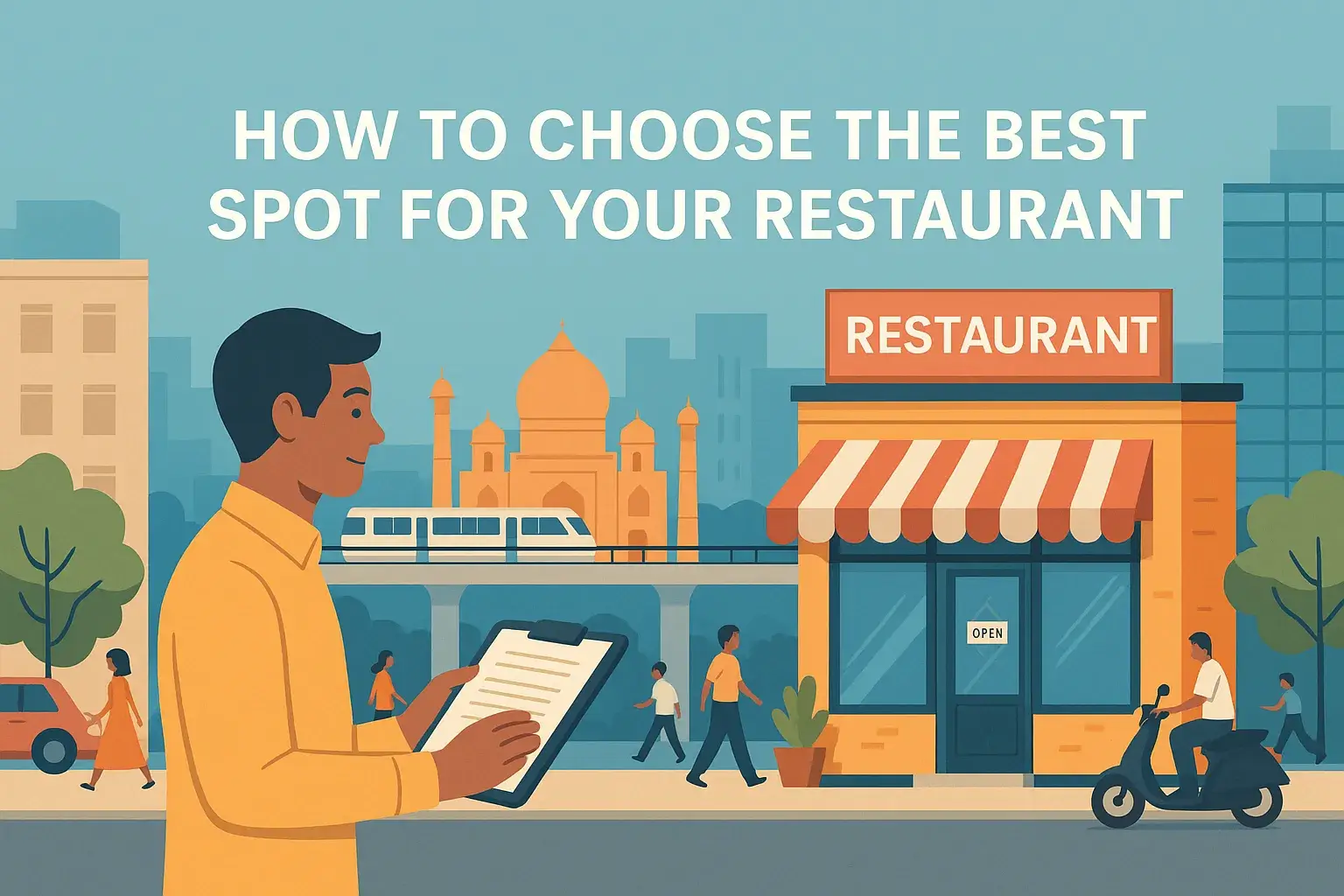
Choosing the right location can make or break a restaurant. Even the most innovative menu and exceptional service may fall short if the restaurant is tucked away in a spot where no one sees it. That’s why location strategy is often considered one of the most critical decisions in the restaurant business.
For anyone planning to open a restaurant — whether it’s a cozy café, a family-style diner, or a fine-dining establishment — understanding how to choose the best location for a restaurant is essential. This guide walks through all the important factors to consider, offering actionable tips and insights from industry experts to help new restaurant owners make smarter decisions.
Why Location Matters So Much in the Restaurant Business
In the food industry, location isn’t just about geography — it’s about opportunity. A well-chosen site can drive consistent foot traffic, attract the right audience, and boost visibility without expensive marketing. On the other hand, even a fantastic concept might struggle if it’s hidden in a low-traffic street or too close to overwhelming competition.
Countless real-world examples show how restaurants thrive simply by being in the right place. A small café near a busy metro station can attract commuters all day, while a family restaurant near residential neighbourhoods becomes a weekend favourite.
This is where restaurant consultants ✅ come into play — they use data, experience, and local insights to help business owners identify high-potential sites and avoid costly mistakes.
Step-by-Step Guide to Choosing the Best Location for Your Restaurant
1. Understand Your Target Audience

Before looking at spaces or signing leases, it’s vital to define the ideal customer base. Who will the restaurant serve — young professionals, families, students, or tourists?
Understanding the demographics of the area — age, income levels, dining preferences, and lifestyle — helps narrow down neighborhoods that match the concept. For example:
- A trendy coffee bar might do best in a business district or near universities.
- A fine-dining restaurant may thrive in an upscale residential area.
- A family-friendly diner should be near residential communities or schools.
Tip: Conduct local surveys or use online tools like Google Trends and location intelligence platforms to analyse audience behaviour.
2. Analyse Foot Traffic and Visibility
No matter how good the food is, a restaurant hidden on a quiet backstreet may struggle. Foot traffic and visibility are essential for organic customer acquisition.
When evaluating a site:
- Visit at different times of the day and week to measure average pedestrian and vehicle traffic.
- Check if signage will be easily visible from the main road.
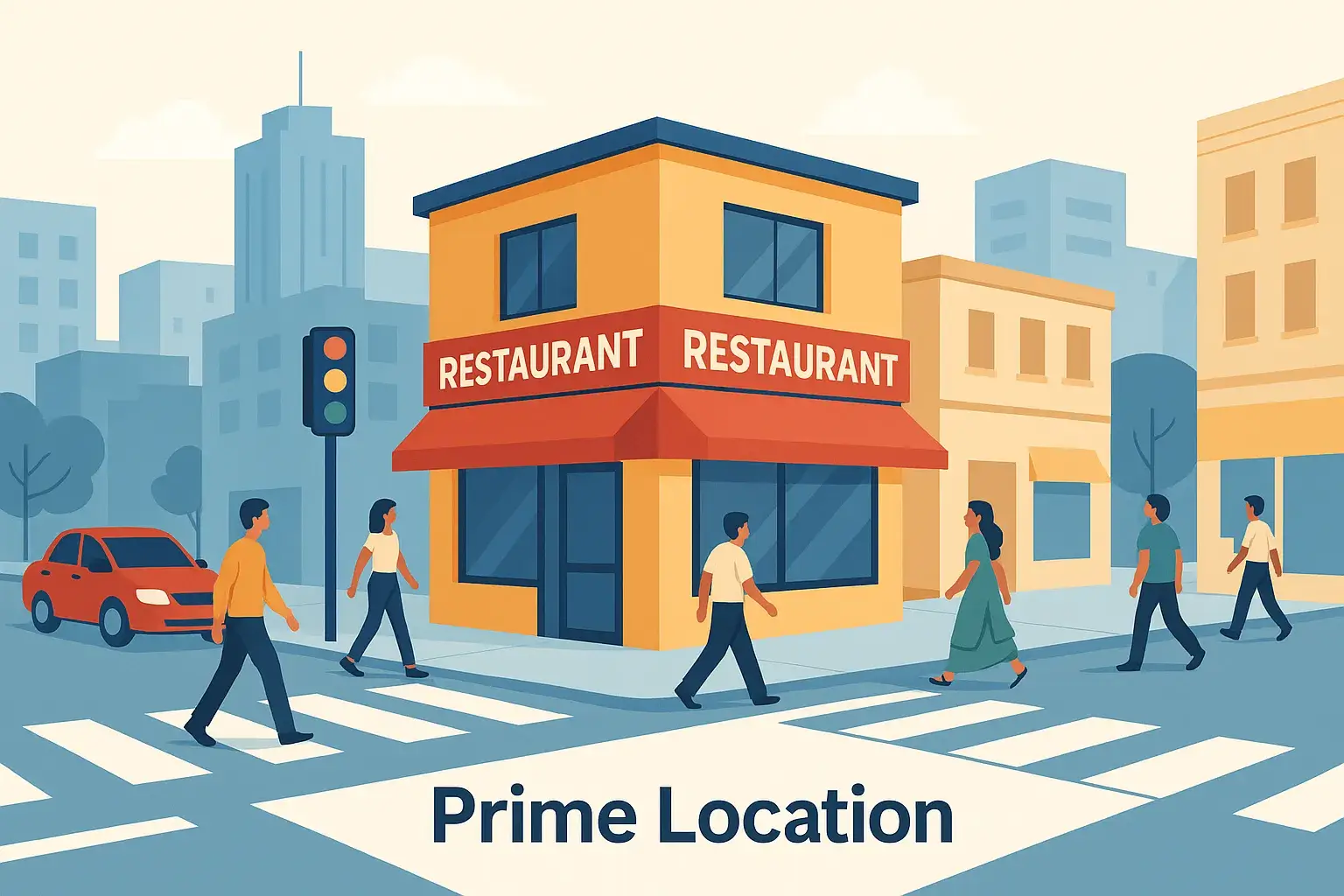
- Consider corner locations, intersections, or areas near malls and offices, which naturally draw crowds.
Being in a place where people already pass by daily increases the chance of spontaneous visits — a key element of successful restaurant location strategy.
3. Evaluate the Local Competition
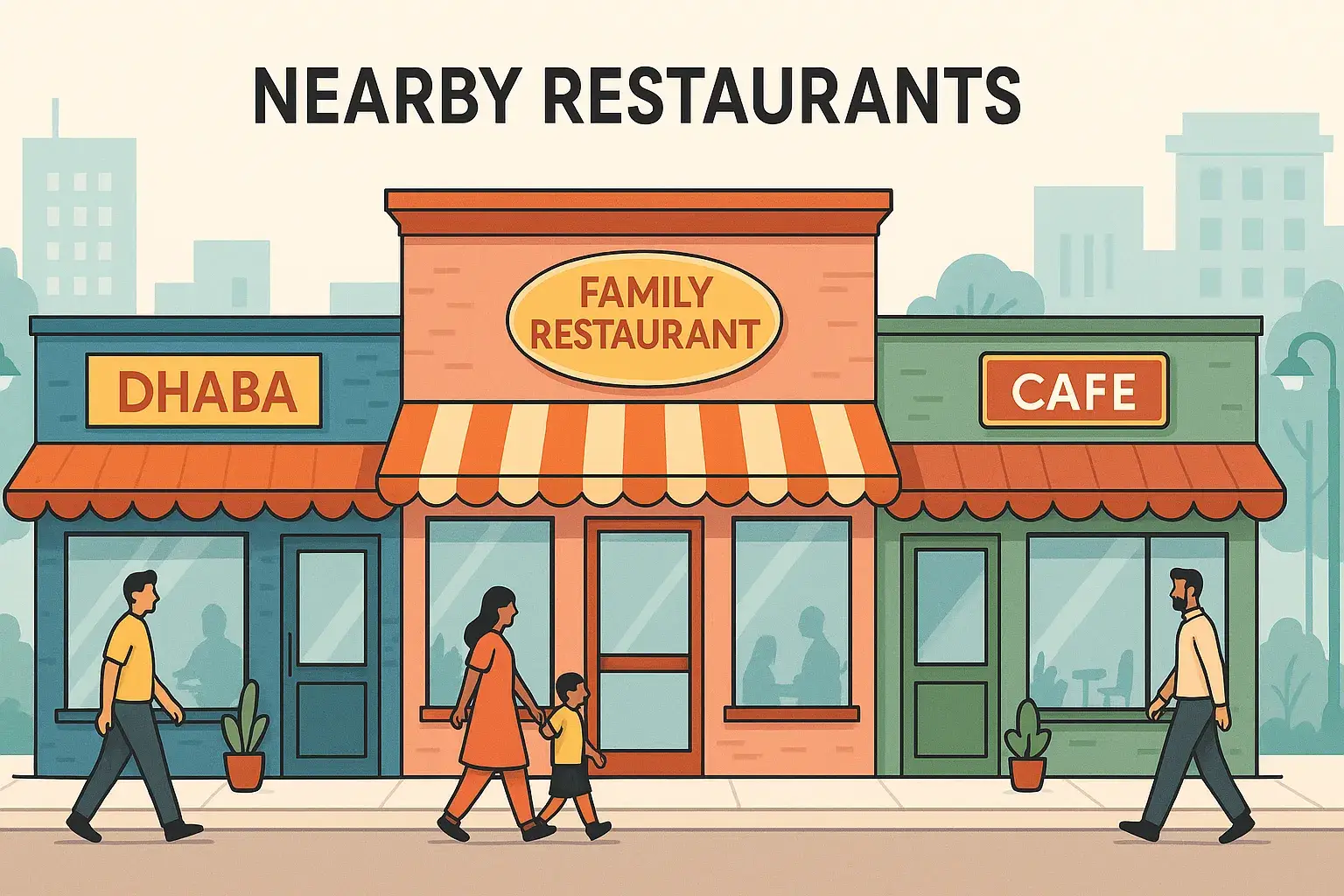
Some competition is healthy — it shows that people in the area enjoy dining out. But too much can split the market. That’s why competition analysis is an important part of choosing a restaurant location.
Here’s how to do it:
- Identify nearby restaurants and study their concepts, menus, pricing, and customer reviews.
- Look for market gaps — for example, if there are many pizza places but no vegan cafés, that’s an opportunity.
- Choose a location that differentiates your offering instead of directly competing with established players.
4. Check Accessibility and Parking Options
Accessibility is often underestimated, yet it can directly affect a restaurant’s success. If customers struggle to reach the venue, they may not return.
Key things to check:
- Public transport: Is the restaurant near bus stops, metro stations, or main roads?
- Parking availability: Is there dedicated parking or nearby public parking?
- Delivery and service access: Can delivery partners or suppliers easily access the location?
- Accessibility for all: Ensure ramps and wide entrances for wheelchair users.
Even the best location for a restaurant will fall short without convenient access and parking.
5. Study Zoning Laws and Legal Restrictions
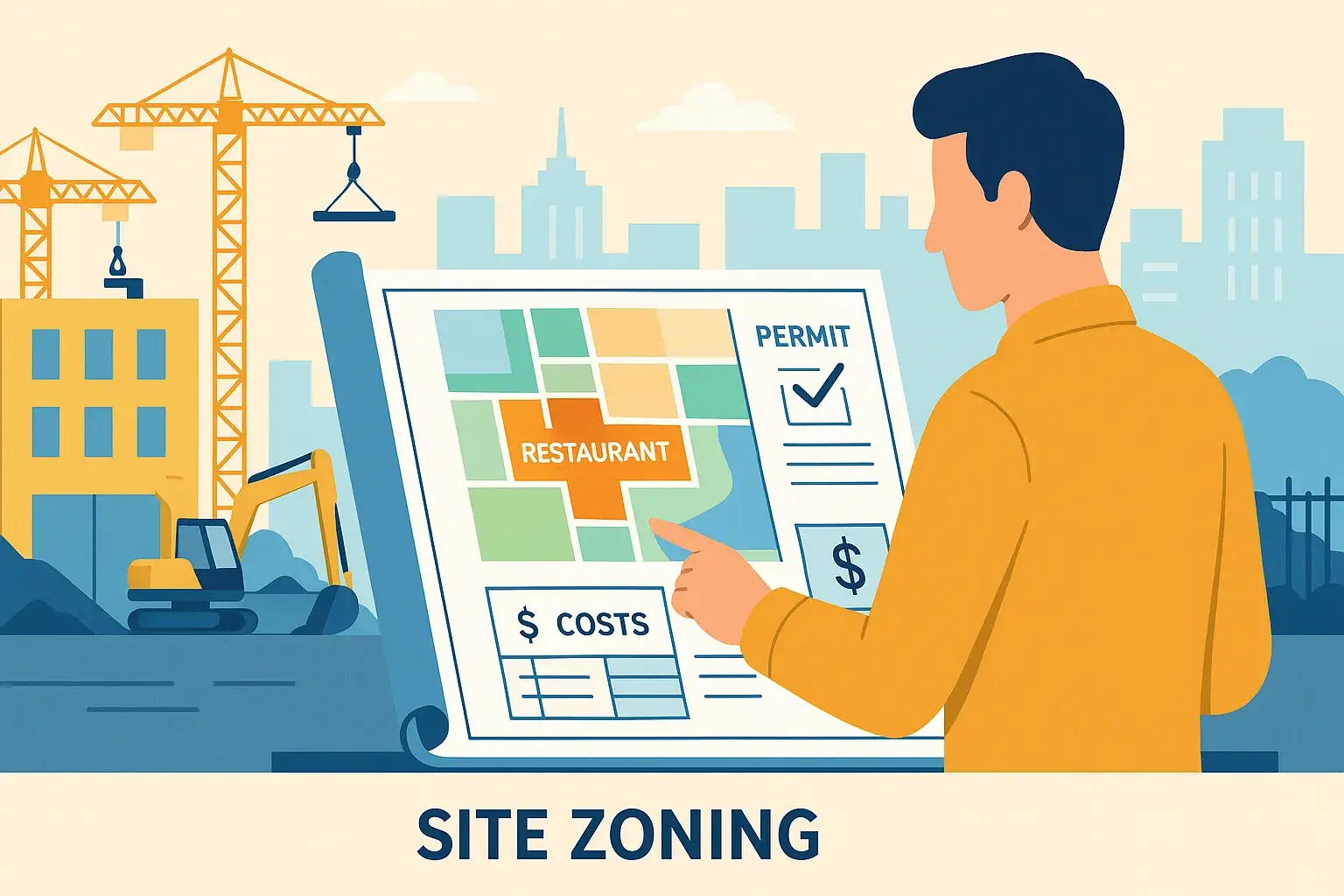
Not every property is legally allowed to operate as a restaurant. Zoning laws and local regulations can significantly influence where a restaurant can be established.
Consider these points before finalizing a location:
- Verify if the property is zoned for commercial food businesses.
- Understand local noise, waste disposal, and operating hour regulations.
- Check the process and timeline for obtaining permits and licenses.
Skipping this step can lead to costly delays or even closure. Many first-time owners rely on restaurant consultants to handle legal due diligence as part of their location feasibility study.
6. Consider Surrounding Businesses and Synergies
The right neighbours can boost a restaurant’s visibility and traffic. Think of how coffee shops thrive next to bookstores or how casual eateries benefit from being near cinemas and offices.
Look for complementary businesses that align with the restaurant’s concept. For example:
- A bakery near a morning commuter hub
- A salad bar near a gym
- A fine-dining spot near luxury retail stores
These location synergies create a natural flow of potential customers.
7. Analyse Rent, Costs, and Profit Margins
A prime location often comes with a higher rent — but it must still make financial sense. The goal is to balance visibility and cost without jeopardizing profitability.
Here’s how to assess it:
- Calculate the break-even rent per square foot based on expected revenue.
- Factor in additional costs like utilities, maintenance, and signage.
- Negotiate flexible lease terms or rent-free setup periods.
It’s better to choose a slightly less prime location with manageable rent than a top spot that strains the budget.
8. Use Data and Technology to Make Smart Decisions
Modern tools make restaurant location planning more accurate than ever. Entrepreneurs can now access heatmaps showing foot traffic patterns, demographic data, and consumer behaviour trends.
Some useful tools and methods:
- Location intelligence platforms for analysing footfall
- Demographic mapping to find areas with the right customer base
- Competitor mapping to identify market gaps
Many restaurant consultants rely on these technologies to provide detailed site selection tips for restaurants and guide clients toward profitable decisions.
Common Mistakes to Avoid When Choosing a Restaurant Location
- Choosing a location solely because it’s cheap
- Ignoring parking and accessibility challenges
- Underestimating local competition
- Failing to check zoning laws and permits
- Overestimating walk-in traffic without real data
Avoiding these pitfalls can save thousands in future losses and headaches.
How Restaurant Consultants Can Help You Find the Perfect Spot
For many first-time restaurant owners, navigating location selection can be overwhelming. This is where professional restaurant consultants ✅ become invaluable partners.
They bring years of experience in site selection, competition analysis, feasibility studies, and legal compliance. Consultants don’t just find available spaces — they identify profitable locations tailored to the restaurant’s concept and growth goals.
Final Thoughts: Set the Foundation for Restaurant Success
A great restaurant begins with a great location. By understanding the target audience, evaluating visibility, analysing competition, checking legal requirements, and leveraging data, restaurant owners can significantly increase their chances of success.
Location selection isn’t just a checklist — it’s a strategic decision that defines the future of the business. And with the guidance of expert restaurant consultants, the process becomes clearer, faster, and far more effective.
If you’re planning to launch a new restaurant, explore how our restaurant consultancy services can help you choose the perfect location and set your business up for long-term success.
Also read our exclusive guide on How to Calculate and Control Restaurant Food Cost Percentage
📚 Frequently Asked Questions (FAQs)
❓ What is the most important factor when choosing a restaurant location?
The most important factor is understanding your target audience and their behaviour. The location must align with who your customers are, where they live or work, and how they dine out. A site with high visibility, easy accessibility, and strong foot traffic that matches your audience profile is ideal.
❓ How does foot traffic impact a restaurant’s success?
Foot traffic directly affects walk-in sales. Restaurants in high-traffic areas — such as near offices, shopping districts, or metro stations — have more chances of attracting new customers without heavy advertising. It’s one of the key metrics to evaluate during restaurant location planning.
❓ How can restaurant consultants help with site selection?
Restaurant consultants bring deep industry knowledge, market data, and location intelligence tools to the table. They analyse footfall, demographics, competition, legal zoning, and cost feasibility to recommend the most profitable location options — saving owners time, money, and costly mistakes.
❓ Should I avoid locations with competing restaurants nearby?
Not necessarily. Some competition is healthy and shows strong customer demand in the area. The key is to analyse the competition carefully and differentiate your concept. A location surrounded by restaurants can still succeed if your offering fills a market gap or appeals to a slightly different audience.
❓ How much rent is too much for a restaurant location?
A general guideline is that rent should not exceed 6–10% of your projected revenue. A location that’s too expensive can strain profit margins, while a slightly less prime but more affordable site might offer better long-term returns. Always balance visibility with financial sustainability.