

Running a multi-outlet restaurant comes with a unique set of challenges. From fluctuating food costs to labor inefficiencies, managing multiple locations can quickly eat into profitability. For restaurant owners and managers, implementing cost control strategies is not just an option—it’s essential for sustainable growth.
In this guide, we explore practical methods to reduce operational costs across all outlets, improve efficiency, and maintain consistent quality. These strategies have been developed based on years of consulting experience with restaurant chains, ensuring they are actionable and results-driven.
Internal Anchor Suggestion: For a broader view on scaling your operations effectively, consult our restaurant consultants for tailored guidance.
What is Cost Control in Multi-Outlet Restaurants?
Cost control refers to the systematic process of managing expenses to maximize profitability. For a single outlet, it might be relatively straightforward. However, in a multi-location setup, controlling costs requires:
- Standardized operating procedures across all outlets
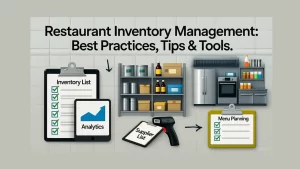
- Centralized inventory management
- Real-time financial monitoring
Implementing robust restaurant cost management practices ensures that each outlet contributes positively to the chain’s overall profitability.
Common Cost Challenges in Multi-Outlet Restaurants

1. Lack of Standard Operating Procedures (SOPs)
Without consistent SOPs, each outlet may handle inventory, food prep, and service differently, leading to inefficiencies and waste.
2. Inventory Inconsistencies and Food Waste
Food waste accounts for a significant portion of restaurant costs. Multi-outlet operations without centralized inventory monitoring often experience spoilage and overstocking.
3. Labor Inefficiencies
Overstaffing during slow periods or inadequate training can inflate labor costs, which typically account for 25–30% of restaurant expenses.
4. Vendor Pricing and Negotiation Issues
Independent ordering by outlets prevents leveraging bulk purchasing discounts, increasing procurement costs.
5. Poor Data Visibility
Lack of real-time data on sales, expenses, and inventory makes it difficult to identify areas for cost reduction.
For a deeper dive into financial pitfalls, see our previous article on financial mistakes restaurant owners make.
Proven Cost Control Strategies for Multi-Outlet Restaurants
1. Centralized Purchasing System
- Consolidate orders from all outlets to negotiate better prices with suppliers.
- Leverage bulk buying to reduce unit costs.
- Maintain a preferred vendor list to ensure consistent quality and pricing.
2. Smart Inventory Management
- Implement a FIFO (First In, First Out) system to minimize spoilage.
- Set par stock levels for each ingredient.
- Conduct regular inventory audits and use POS-integrated inventory software.
3. Reduce Food Waste
- Standardize recipes across outlets.
- Train staff on portion control and proper storage techniques.
- Repurpose unused ingredients safely to reduce waste.
4. Labor Cost Optimization
- Use staff scheduling software to align labor with peak hours.
- Cross-train employees to improve flexibility.
- Monitor productivity and adjust staffing as needed.
5. Menu Engineering for Profitability
- Analyze each menu item for cost vs. profitability.
- Promote high-margin items to increase overall revenue.
- Remove low-performing items to reduce unnecessary inventory costs.
6. Automation and Technology Adoption
- Integrate POS, inventory, and accounting systems for real-time cost monitoring.
- Track sales patterns, inventory usage, and wastage across outlets.
7. Energy and Utility Expense Control
- Switch to energy-efficient equipment.
- Train staff to turn off unused appliances.
- Monitor utility bills regularly to identify anomalies.
Standardization: The Key to Multi-Unit Cost Control
Consistency is critical for multi-outlet success. By standardizing procedures, restaurants can reduce variability in costs and improve operational efficiency.
- Standard Recipes: Ensure every outlet produces dishes with the same ingredients and portions.
- SOPs for Kitchen & Service Teams: Outline daily operations to avoid inconsistencies.
- Centralized Reporting Dashboard: Track sales, inventory, and expenses from a single system.
Cost Monitoring and KPIs for Restaurant Chains
Tracking key metrics allows management to make informed decisions and implement effective cost controls.
| KPI | Description | Target Range |
| Food Cost % | Food expense ÷ food sales | 28–35% |
| Labor Cost % | Labor expense ÷ total revenue | 25–30% |
| Prime Cost | Food + Labor | 55–65% |
| Waste % | Spoiled or unused inventory ÷ total inventory | <3% |
| Break-even Point | Revenue needed to cover expenses | Varies by outlet |
Real-Life Case Study
A multi-outlet restaurant chain in Rajouri Garden Delhi implemented these strategies:
- Centralized purchasing reduced ingredient costs by 15%
- Menu engineering increased high-margin item sales by 20%
- Labor scheduling optimization cut staffing costs by 10%
Result: Overall operational cost reduced by 18–22%, boosting profitability and streamlining multi-location management.
Tools and Systems for Cost Reduction
- POS & Inventory Software (e.g., Tally, GoFrugal, Toast)
- Recipe Costing Tools for menu engineering
- Budgeting Templates and Analytics Dashboards
Final Checklist for Cost Control
- Implement centralized purchasing
- Standardize recipes & SOPs
- Train staff on portion control
- Monitor food, labor, and utility costs
- Use technology for real-time tracking
- Conduct monthly KPI reviews
- Adjust menus based on profitability
FAQs
Q1: What is the biggest cost challenge for multi-outlet restaurants?
A: Managing inventory consistently across locations while controlling labor and operational expenses.
Q2: How often should KPIs be tracked?
A: Weekly for operational KPIs (food cost %, labor %), monthly for overall profitability metrics.
Q3: Can technology really reduce costs?
A: Yes, POS-integrated inventory systems and scheduling tools help detect waste, optimize labor, and track expenses in real time.
Q4: How do multi-outlet restaurants reduce food waste?
A: Standardizing recipes, training staff, and using proper storage techniques significantly reduces waste.
Conclusion
Effective cost control strategies are vital for multi-outlet restaurant profitability. By centralizing purchasing, standardizing operations, optimizing labor, and leveraging technology, restaurant chains can reduce expenses while maintaining quality.
Looking to implement a cost-control system for your restaurant chain? Our expertise in restaurant consultancy services can help you build a tailored strategy for sustainable growth and profitability.