

Running a restaurant is no easy task — especially when it comes to managing expenses. Rising energy bills can quietly drain profits without owners even realizing it. That’s why focusing on energy efficiency tips for restaurants is no longer just about being eco-friendly; it’s a smart business decision that directly impacts the bottom line.
From optimizing kitchen equipment to improving lighting and HVAC systems, energy efficiency plays a vital role in sustainable restaurant operations. Let’s explore practical ways restaurant owners can save costs, reduce waste, and go green — all while enhancing customer experience and long-term profitability.
Why Energy Efficiency is important for Restaurants
The food service industry consumes more energy per square foot than nearly any other commercial sector. Between high-powered kitchen appliances, lighting, HVAC systems, and refrigeration, restaurants can easily rack up hefty energy bills every month.
By applying energy efficiency practices, restaurant owners can significantly reduce energy costs, cut down carbon emissions, and improve their overall sustainability profile. Moreover, eco-conscious customers increasingly prefer dining in places that care about the planet.
In short, going green isn’t just good for the environment — it’s good for business too.
Conducting an Energy Audit — The First Step
Before making any changes, it’s crucial to understand where energy is being wasted. This is where a restaurant energy audit comes in.
An energy audit helps identify inefficiencies in your operations, from overworked kitchen appliances to poorly insulated storage areas. Restaurant owners can start with a basic self-audit by checking for:
- Leaking refrigerator seals
- Lights left on in unoccupied areas
- Air leaks near doors or windows
- Appliances running idle for hours
For a more thorough assessment, professional auditors use thermal imaging, load monitoring, and other advanced tools to measure energy consumption in commercial kitchens. These insights become the foundation for a targeted energy-saving plan.
Kitchen Energy Efficiency Tips
The kitchen is the heart of any restaurant — but it’s also where most of the energy is consumed. Implementing even small changes can lead to substantial savings.
Optimize Kitchen Equipment Usage
Most restaurant owners don’t realize how much energy is wasted by keeping ovens, fryers, and grills running idle. Training staff to switch off unused equipment and stagger start-up times can significantly reduce energy waste.
Routine maintenance, such as cleaning filters and coils, also keeps appliances working efficiently. Regularly serviced equipment not only performs better but also lasts longer — a win-win chance for sustainability and savings.
Invest in Energy-Efficient Appliances
When upgrading equipment, one very important part is look for ENERGY STAR-rated options. As you should know these appliances are designed to consume less electricity while maintaining performance.
For example, switching to induction cooktops can reduce energy consumption by up to 30%, while high-efficiency refrigerators can save hundreds of kilowatt-hours annually.
Choosing low-energy appliances for restaurants might seem like a larger upfront cost, but the long-term savings more than make up for it.
Lighting Optimization for Restaurants

Credit goes to Grok AI
Lighting accounts for nearly 20% of a restaurant’s energy usage — but this is one area where savings are easiest to achieve.
Switch to LED Lighting
Replacing fluorescent or incandescent bulbs with LED lighting for restaurants is a simple yet highly effective change. LEDs consume 75% less energy, generate less heat, and last up to 25 times longer. They also enhance the ambiance of the dining area with warm, consistent illumination.
Use Smart Lighting Systems
Motion sensors, timers, and dimmer controls are great for managing lighting in low-traffic areas such as restrooms, hallways, or storage rooms. Automated systems ensure lights are only used when needed, helping to further reduce electricity consumption.
Smart lighting can also be integrated with your restaurant’s overall energy management system, allowing remote control and scheduling for additional efficiency.
HVAC and Temperature Control
Maintaining comfortable temperatures for guests and staff can be costly, especially in extreme weather conditions. However, effective HVAC energy-saving strategies can dramatically reduce these expenses.
Maintain and Optimize HVAC Systems
Regular maintenance — such as cleaning filters and ducts — ensures that HVAC systems work efficiently. Poor maintenance can lead to a 10–20% increase in energy usage.
Installing smart thermostats for restaurants allows temperature adjustments based on occupancy, automatically reducing energy use during off-peak hours.
Improve Airflow and Insulation
Ensure proper insulation around doors, windows, and vents. In kitchens, balanced ventilation prevents air-conditioned air from escaping through exhaust hoods. Simple changes like sealing gaps or adding insulation can make a big difference in overall energy consumption.
Water and Waste Management
Energy efficiency isn’t limited to electricity; managing water and waste plays an equally important role.
Upgrade Dishwashing and Plumbing Systems
Switching to energy-efficient dishwashers and low-flow pre-rinse spray valves can cut both energy and water use. Restaurants can also reduce costs by running full dishwasher loads instead of partial ones.
Reuse and Recycle
Implementing recycling programs and converting food waste into compost or biogas can greatly reduce the restaurant’s environmental footprint.
Installing sensor-based faucets minimizes water waste and supports overall sustainability.
Integrating Smart Technologies
Smart restaurant technologies are revolutionizing energy management. Modern restaurant energy management systems help track real-time usage and pinpoint inefficiencies.
Examples include:
- IoT-based kitchen management tools that automate energy-heavy appliances.
- Smart thermostats and lighting controls that adapt to occupancy.
- Energy monitoring dashboards that show cost and consumption trends.
These systems allow restaurant owners to make data-driven decisions and optimize performance without constant manual oversight.
Design and Layout Considerations
Energy efficiency also depends heavily on how a restaurant is designed and laid out.
Maximize Natural Light and Ventilation
Strategic use of natural light can drastically reduce dependence on artificial lighting. Skylights, glass panels, and reflective surfaces not only brighten the space but also make interiors appear more inviting.
Proper ventilation helps regulate temperature and air quality, reducing the strain on HVAC systems.
Eco-Friendly Interior Materials
Materials such as bamboo, recycled metal, or light-reflective paints not only support sustainability but also help reduce cooling requirements.
A well-planned restaurant layout ensures that kitchens, dining areas, and cooling systems work in harmony.

Credit goes to Grok AI
Staff Training and Awareness
Even the best energy-saving systems won’t succeed without staff participation. Encourage employees to follow basic energy-saving practices:
- Turn off lights and appliances after shifts.
- Report leaks or maintenance issues promptly.
- Use timers or automatic controls for routine tasks.
Creating an energy-efficient culture can lead to long-term operational savings and foster pride in sustainability efforts.
The Business Benefits of Going Green
Energy efficiency goes beyond reducing utility bills — it’s a strategic investment in the restaurant’s future.
Key Benefits:
- Lower Operating Costs: Immediate reduction in electricity, gas, and water bills.
- Enhanced Brand Image: Customers increasingly choose eco-friendly dining options.
- Increased Equipment Longevity: Well-maintained, efficient systems last longer.
- Compliance and Incentives: Green certifications and government incentives may apply to sustainable businesses.
A greener restaurant not only saves money but also stands out as a responsible and forward-thinking brand.
How Restaurant Consultants Can Help
A Professional restaurant consultants specialize in identifying operational inefficiencies and crafting customized energy-saving strategies.
They can help conduct audits, redesign kitchens for optimized flow, recommend eco-friendly equipment, and ensure your restaurant meets both local energy standards and sustainability goals.
👉 Also read our previous article Restaurant Safety & Hygiene Checklist: What You Need to Know
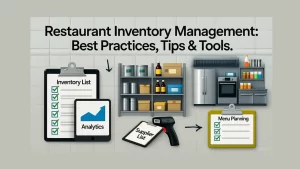
👉 If you haven’t already, read our previous post — “Restaurant Inventory Management” — to explore additional ways to manage your restaurant.
Conclusion
Energy efficiency in restaurants isn’t a luxury — it’s a necessity in today’s competitive hospitality market. Small, consistent changes in equipment, lighting, layout, and staff behaviour can bring remarkable savings while promoting sustainability.
By following these energy efficiency tips for restaurants, owners can create operations that are not only profitable but also environmentally responsible.
For restaurant owners who want to take it a step further, partnering with professional restaurant consultants can unlock even greater efficiency, ensuring a greener and more profitable future.