

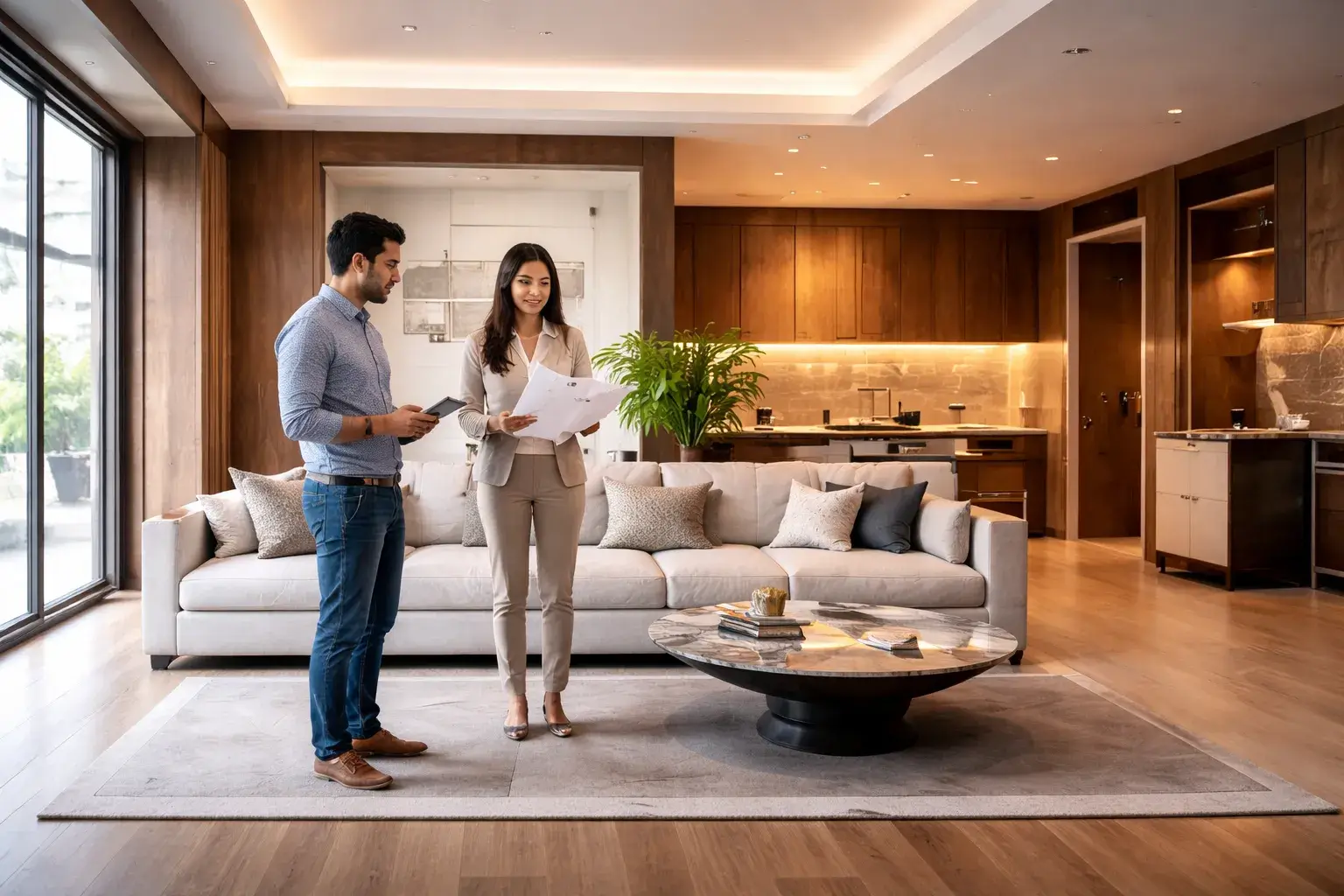
Over the last decade, the interior design industry in India has undergone a remarkable transformation. What was once considered a luxury reserved for high-end residences and premium commercial spaces has now become a mainstream service by homeowners, startups, corporates. Today, interior design in India is driven by changing lifestyles, growing urbanization, digital influence, and rising awareness about space planning.
This evolution has not happened overnight. It is the result of economic growth, shifting consumer expectations, technological adoption, and the professionalization of design practices across the country. In this article, we explore how the interior design industry in India is evolving, what trends are shaping it, and what this means for homeowners and businesses looking to invest in quality design solutions.
The Shift From Informal Practices to Organized Interior Design Firms
One of the most noticeable changes in the Indian interior design landscape is the gradual shift from informal, contractor-driven setups to structured and professional interior design companies.
Then vs Now
| Earlier Scenario | Current Scenario |
| Local contractors handling design + execution | Specialized interior designers managing projects |
| Limited design planning | Detailed layouts, 3D visualization, and documentation |
| No standardized timelines | Defined project timelines and milestones |
| Quality dependent on individuals | Process-driven quality control |
Earlier, most projects relied heavily on carpenters and site supervisors who handled everything from layout to execution. Today, clients expect design clarity, material transparency, and professional accountability—leading to the rise of organized interior design firms operating across multiple Indian cities.
Growing Awareness Among Indian Homeowners
Indian consumers are far more informed today than they were even ten years ago. Exposure to design content through social media, YouTube, and home décor platforms has changed how people perceive interior design.
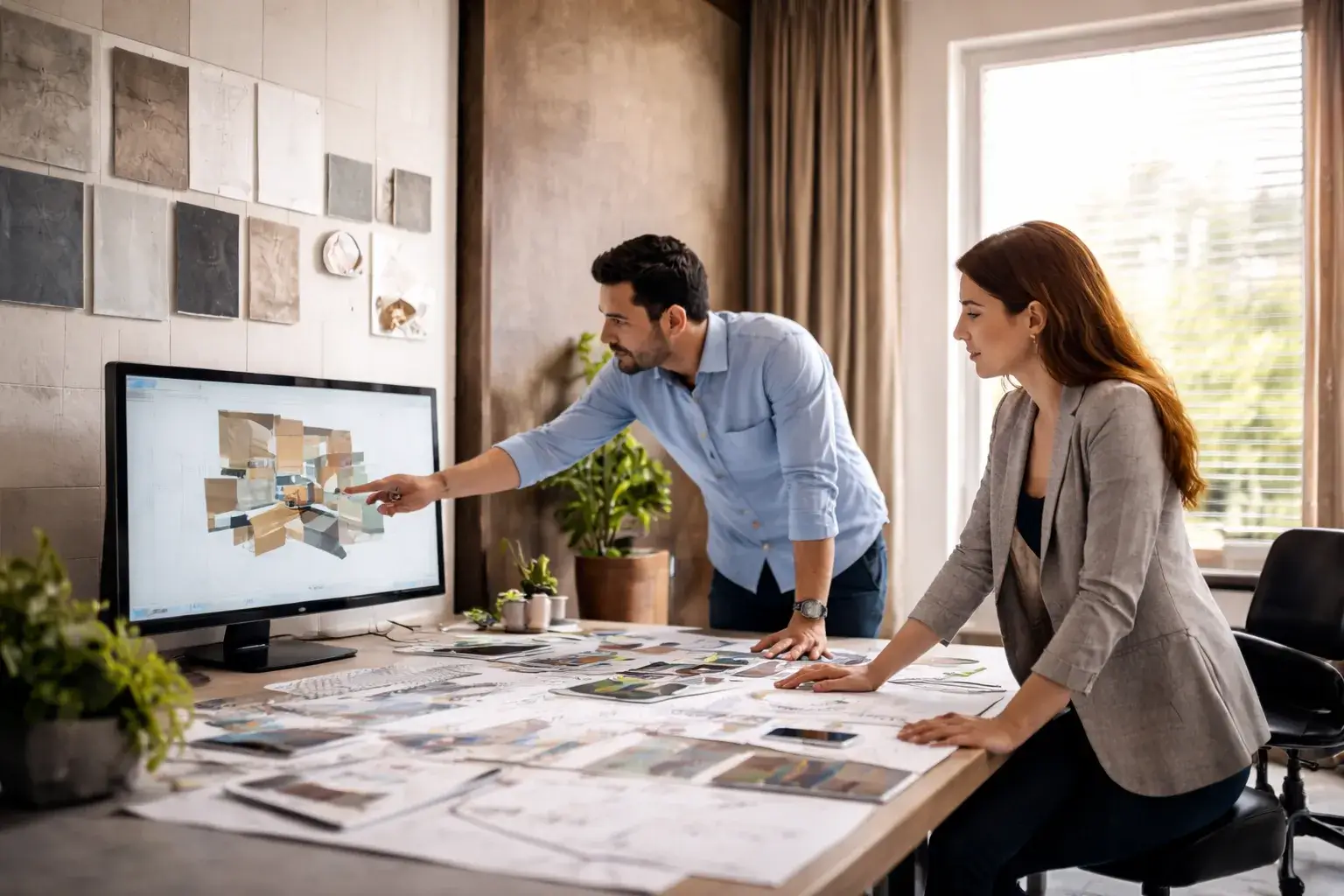
Homeowners now understand that:
- Interior design is not just about looks
- Good design improves daily living
- Space planning affects comfort and efficiency
- Poor execution leads to long-term maintenance issues
This awareness has increased demand for experienced interior designers in India who can balance aesthetics, budget, and long-term usability.
Also read:- How to Choose the Best Interior Designer in Gurgaon (Complete Guide)
Urbanization and Lifestyle Changes Driving Demand
Rapid urbanization has significantly influenced the interior design industry in India. With more people moving to cities, living spaces have become smaller, more compact, and more multi-functional.
How Urban Living Is Shaping Interior Design
- Smaller homes require smarter layouts
- Open-plan kitchens and living areas are preferred
- Storage optimization is a major requirement
- Multi-purpose furniture is in high demand
As a result, interior designers are now focusing more on efficient space utilization rather than just visual appeal.
Rise of Pan-India Interior Design Companies
Earlier, interior design firms were mostly city-specific. Today, several design companies operate across multiple cities and regions, serving clients nationwide.
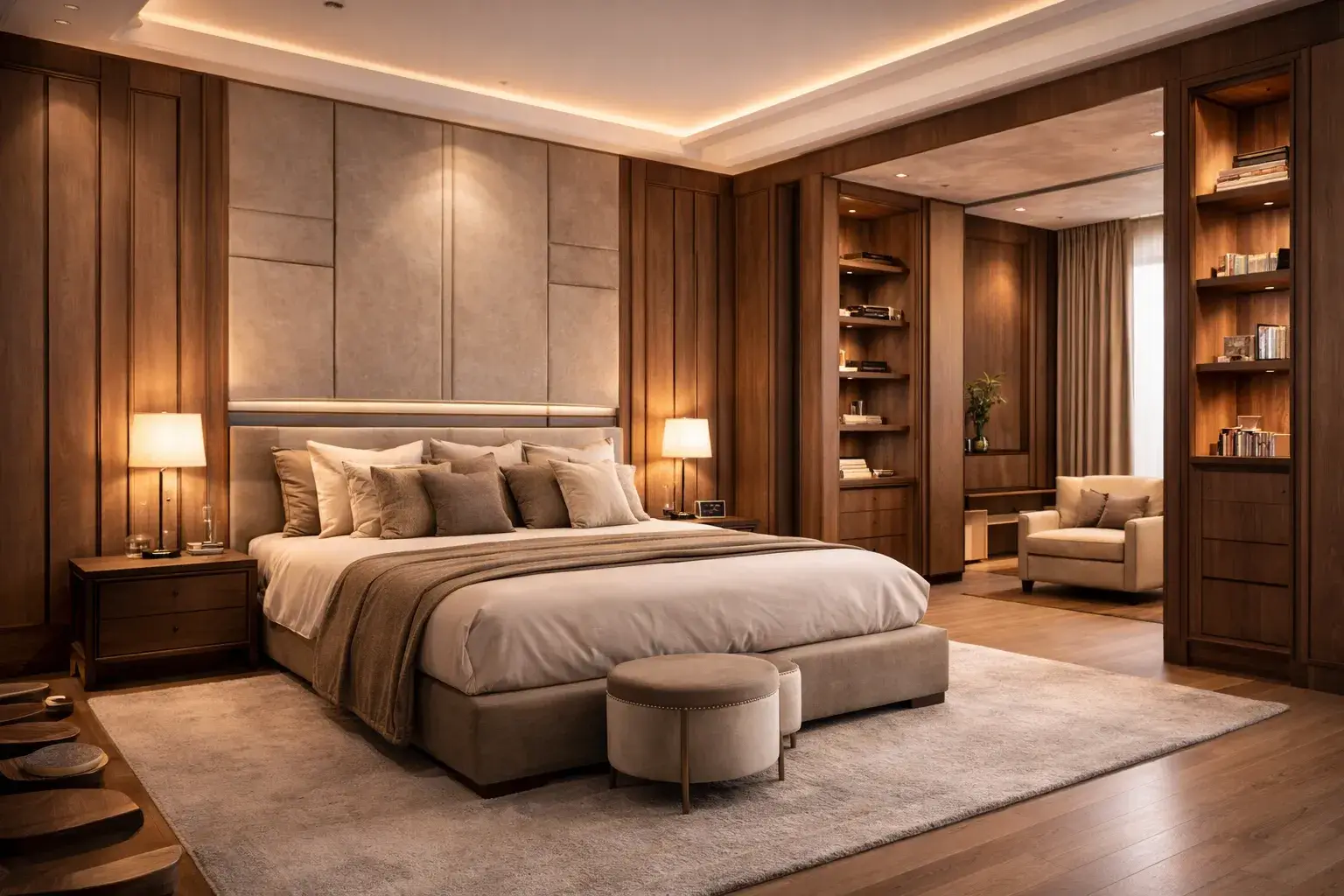
This pan-India approach brings several advantages:
- Standardized processes
- Consistent design quality
- Better vendor management
- Centralized project monitoring
For homeowners, this means access to professional interior design services regardless of location. For the industry, it signals a move toward scalability and brand-driven trust.
Technology Is Redefining the Design Process
Technology has played a crucial role in reshaping how interior design projects are planned and executed in India.
Key Technological Advancements
- 3D design visualization and walkthroughs
- Virtual client presentations
- Digital material libraries
- Online project tracking and approvals
Clients no longer have to rely solely on imagination. Visual tools allow them to see how their space will look before execution begins, reducing miscommunication and costly changes.
Increased Focus on Process and Project Management
Modern interior design in India is becoming more structured and process-oriented.
A typical professional interior design workflow now includes:
- Requirement analysis
- Space planning
- Design concept development
- 3D visualization
- Detailed drawings
- Vendor coordination
- On-site execution
- Quality checks and handover
This structured approach ensures better timelines, predictable budgets, and superior results—something earlier unorganized setups struggled to deliver.
Also read: – Lighting Mistakes in Apartments | Interior Tips
Budget Transparency and Cost Awareness
Another significant evolution is increased transparency around interior design costs. Clients today actively research pricing, compare quotations, and ask detailed questions about materials and finishes.
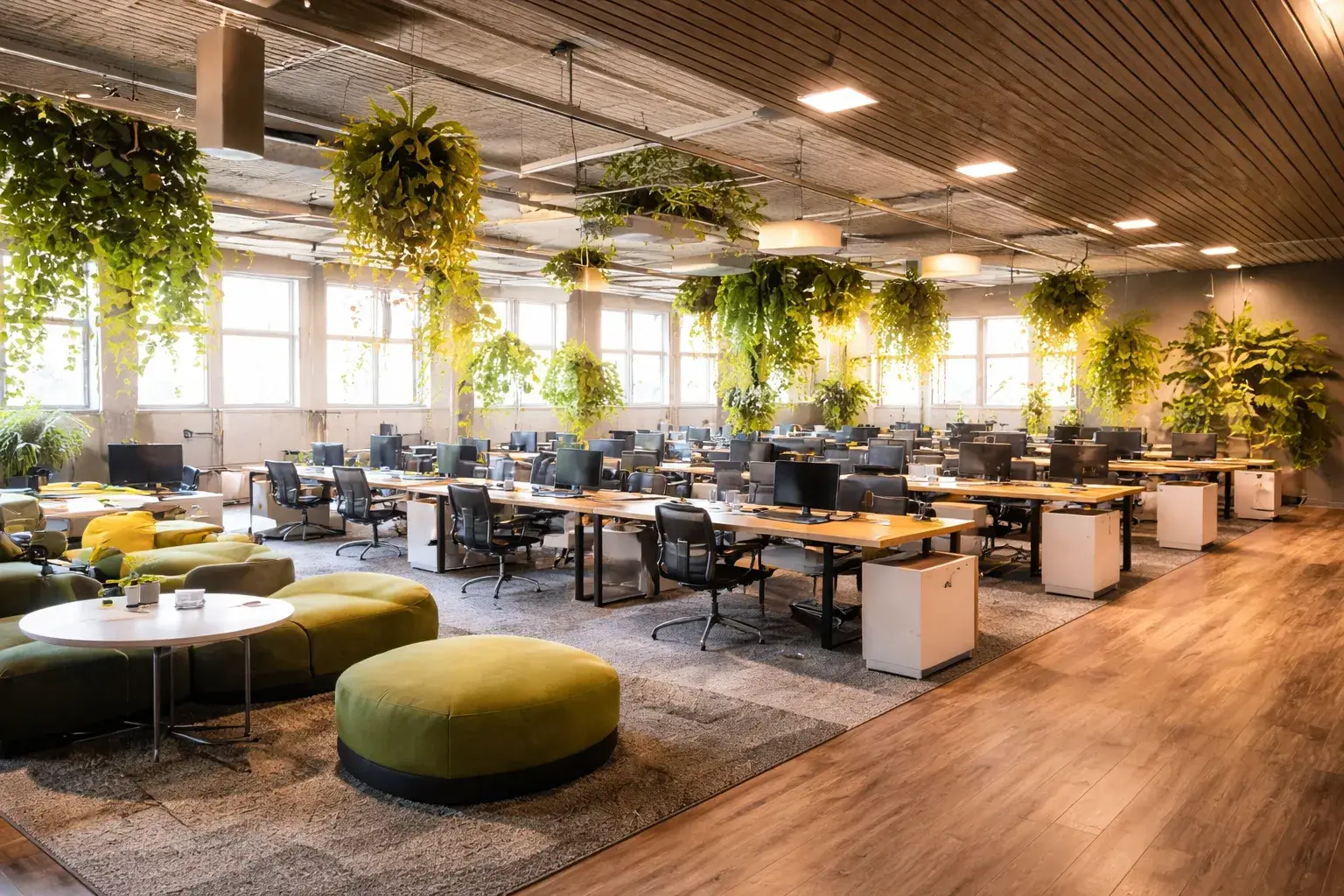
Design companies are responding by offering:
- Itemized cost breakdowns
- Clear scope definitions
- Flexible pricing models
- Budget-based design planning
This openness has helped build trust and has encouraged more people to hire professional interior designers instead of experimenting with fragmented services.
Sustainability and Conscious Design Choices
Sustainable interior design is slowly gaining momentum in India. Clients are showing interest in:
- Eco-friendly materials
- Energy-efficient lighting
- Long-lasting finishes
- Low-maintenance solutions
While sustainability is still an emerging concept for many, it is influencing material choices and design philosophies, particularly in urban and premium residential projects.
Customization Over Copy-Paste Designs
One of the most important shifts in the Indian interior design industry is the move away from generic designs.
Clients now expect:
- Personalized layouts
- Design solutions tailored to lifestyle
- Custom furniture and storage
- Unique material combinations
Interior designers are focusing more on understanding how families live and work, rather than offering pre-fixed design templates.
Growth in Commercial and Office Interior Design
The rise of startups, co-working spaces, and hybrid work models has increased the demand for commercial interior design across India.
Office interiors today focus on:
- Employee comfort
- Productivity-enhancing layouts
- Brand identity
- Flexible workspaces
This has opened new opportunities for interior designers specializing in corporate and commercial design solutions.
What This Evolution Means for Clients
For homeowners and businesses, the evolving interior design industry offers several advantages:
- Higher quality outcomes
- Better project accountability
- Improved design clarity
- Long-term value for money
However, it also means choosing the right interior design partner is more important than ever. Experience, process, and trust now matter more than just pricing.
Actionable Tips for Homeowners
- Always ask for a structured design process
- Review completed projects, not just designs
- Insist on cost transparency
- Choose experience over short-term savings
- Work with designers who understand Indian lifestyles
Frequently Asked Questions (FAQs)
1. Why is the interior design industry growing rapidly in India?
Growth in urban housing, rising income levels, and increased lifestyle awareness have significantly boosted demand for professional interior design services.
2. Is interior design in India still considered a luxury?
No. Interior design has become a practical necessity, especially for urban homes where space optimization and durability matter.
3. How has technology changed interior design in India?
Technology enables 3D visualization, better planning, and smoother client communication, reducing errors and delays.
4. Are interior designers now working across multiple cities in India?
Yes. Many design firms operate pan-India, offering standardized services across major cities.
5. What should clients look for in an interior design company today?
Clients should focus on experience, process clarity, transparency, and a proven track record rather than just cost.
6. Is sustainable interior design popular in India?
It is growing steadily, especially among urban homeowners who value long-term savings and environmental responsibility.