The restaurant industry is evolving faster than ever, with cutting-edge design trends shaping how we dine in 2025. Today’s customers crave more than just good food—they want an immersive experience that blends aesthetics, technology, and sustainability.
From AI-powered dining pods to zero-waste interiors, restaurants are embracing bold, futuristic concepts while keeping comfort and functionality in mind. Whether you’re a restaurateur looking to revamp your space or a design enthusiast curious about the future of dining, these 10 restaurant design trends will inspire you.
Let’s dive in!
1. Biophilic Design Takes Center Stage
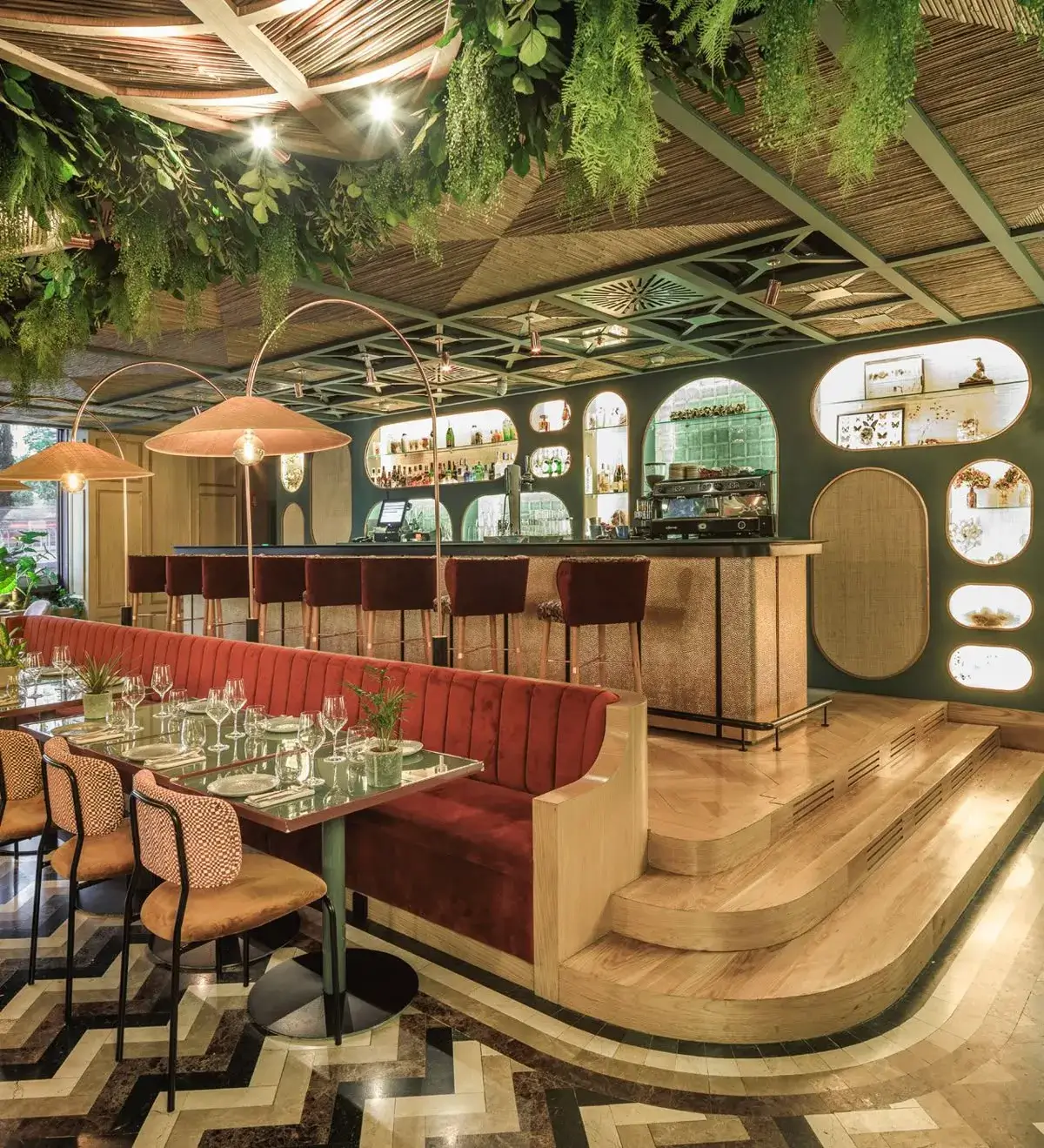
Bringing Nature Indoors
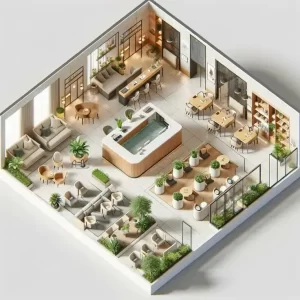
In 2025, biophilic design is no longer just a trend—it’s a necessity. With urban spaces becoming more crowded, restaurants are integrating natural elements like wood, stone, indoor plants, and water features to create a calming atmosphere.
Why It’s Popular
– Reduces stress and enhances diner well-being.
– Improves air quality with living green walls and vertical gardens.
– Sustainable appeal attracts eco-conscious customers.
Examples in Action
– “The Green Room” (Barcelona) – Features a full ceiling-to-floor plant installation.
– “Botanist Café” (Singapore) – Uses reclaimed wood and hanging greenery for a jungle-like vibe.
Pro Tips: Having a small restaurant? don’t worry you can adopt this trend with potted herbs, wooden accents, or nature-inspired murals.
2. Hyper-Personalized Dining Pods
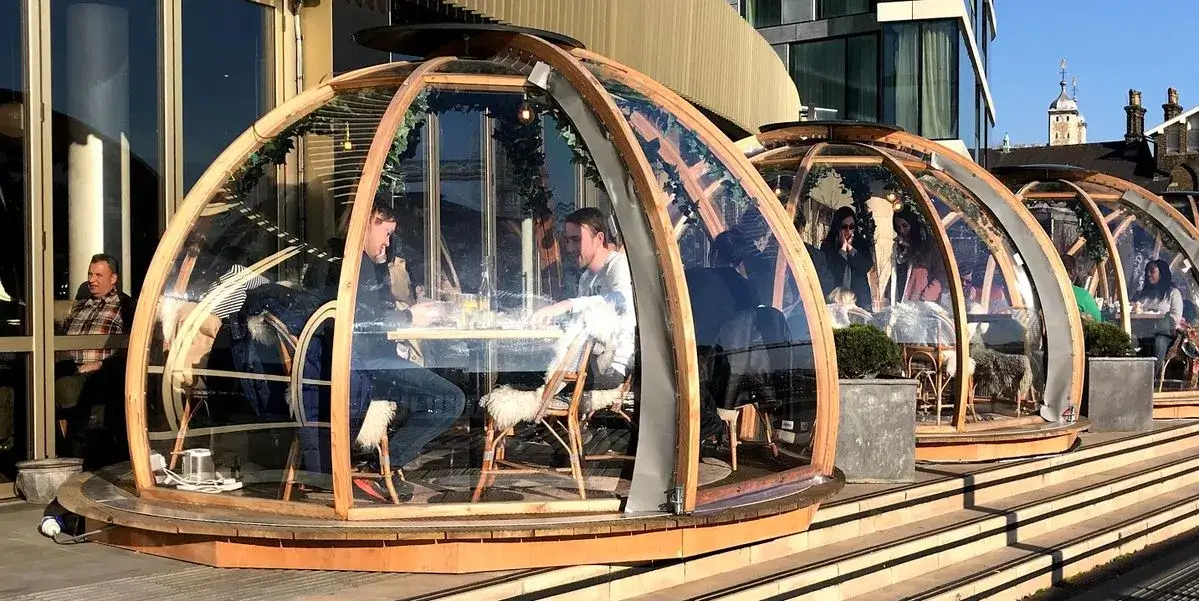
Private, High-Tech Dining Spaces
Gone are the days of crowded dining halls—private pods are the future. These soundproof, tech-enabled booths offer intimate dining with customizable lighting, temperature control, and even AI-assisted menus.
Why It’s Popular
– Privacy on demand for dates, business meetings, or solo diners.
– Tech integration (voice ordering, mood lighting).
– Exclusivity factor attracts luxury diners.
Examples in Action
– “Pod Dining” (Tokyo) – Futuristic capsules with holographic servers.
– “The Nest” (Dubai) – VIP pods with panoramic city views.
Pro Tips: If full pods aren’t feasible, consider semi-private booths with dividers for a similar effect.
3. AI & Smart Restaurant Tech
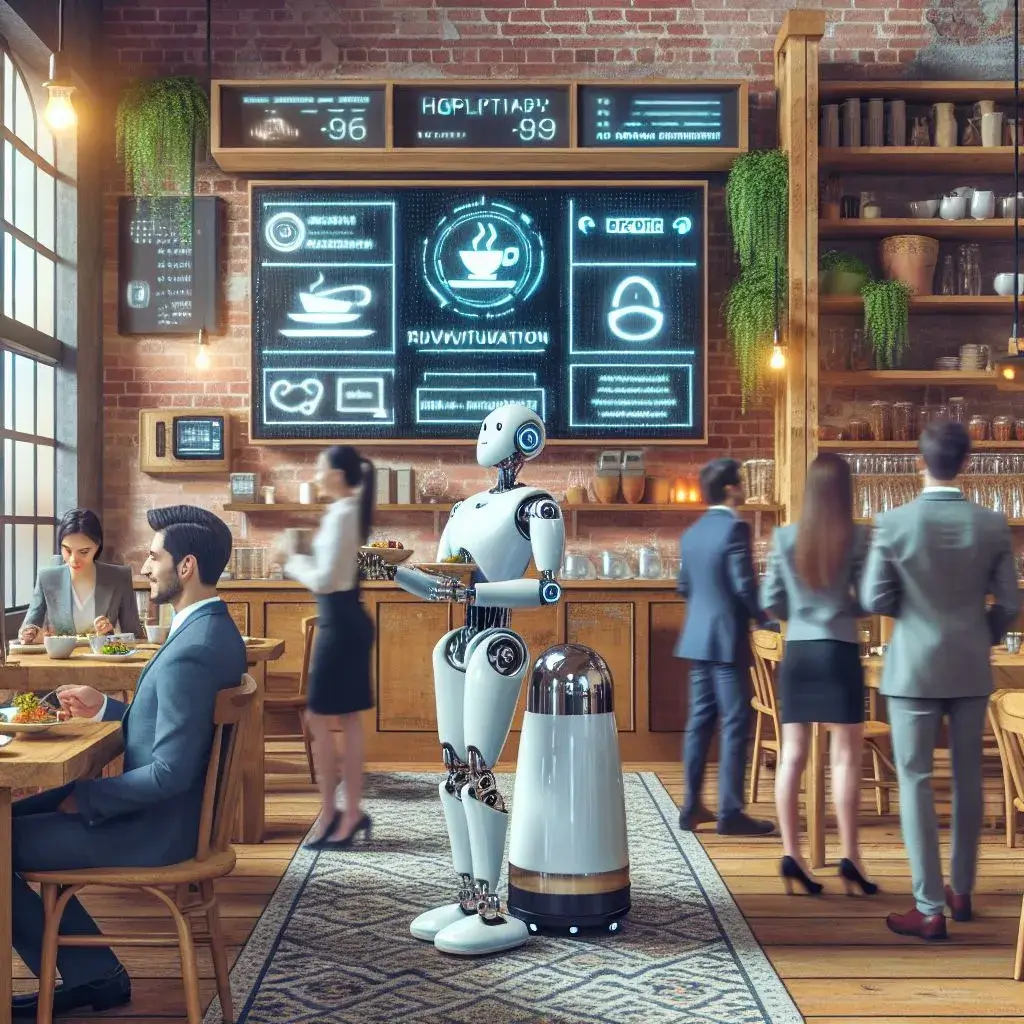
The Rise of Robot Chefs & Smart Menus
AI is no longer sci-fi—it’s in your local café. From robot waiters to IoT-enabled tables, restaurants are using automation to streamline service and enhance customer experience.
Why It’s Popular
– Faster service with automated ordering and payments.
– Personalized recommendations via AI-driven menus.
– Contactless dining remains a priority post-pandemic.
Examples in Action
– “Spyce Kitchen” (Boston) – Fully robotic chefs prepare meals in minutes.
– “Haohai” (China) – Uses facial recognition for loyalty rewards.
Pro Tips: Start small with QR code menus or tablet ordering before investing in full automation.
4. Multi-Sensory Dining Experiences
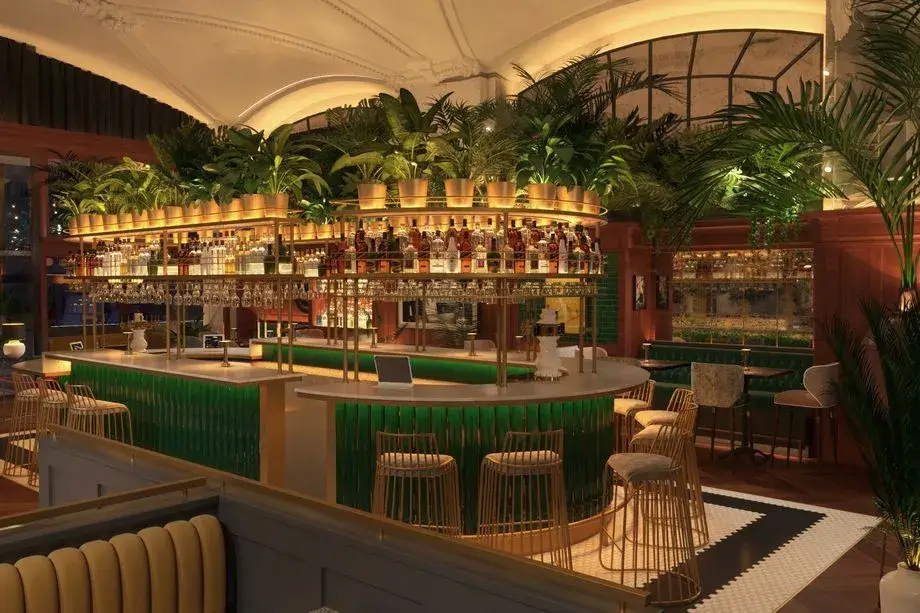
Feast for the Senses
Dining in 2025 isn’t just about taste—it’s about sight, sound, and even smell. Restaurants are using dynamic lighting, curated soundtracks, and scent diffusion to create unforgettable experiences.
Why It’s Popular
– Instagrammable moments – drive social media buzz.
– Emotional connection through immersive ambiance.
– Differentiation from traditional eateries.
Examples in Action
– “Sublimotion” (Ibiza) – Combines projection mapping with gourmet dining.
– “Dinner in the Sky” (Global) – Elevates diners 150 ft in the air for a thrilling meal.
Pro Tips: Even simple changes like mood lighting or themed music can elevate the experience.
5. Sustainable & Zero-Waste Interiors
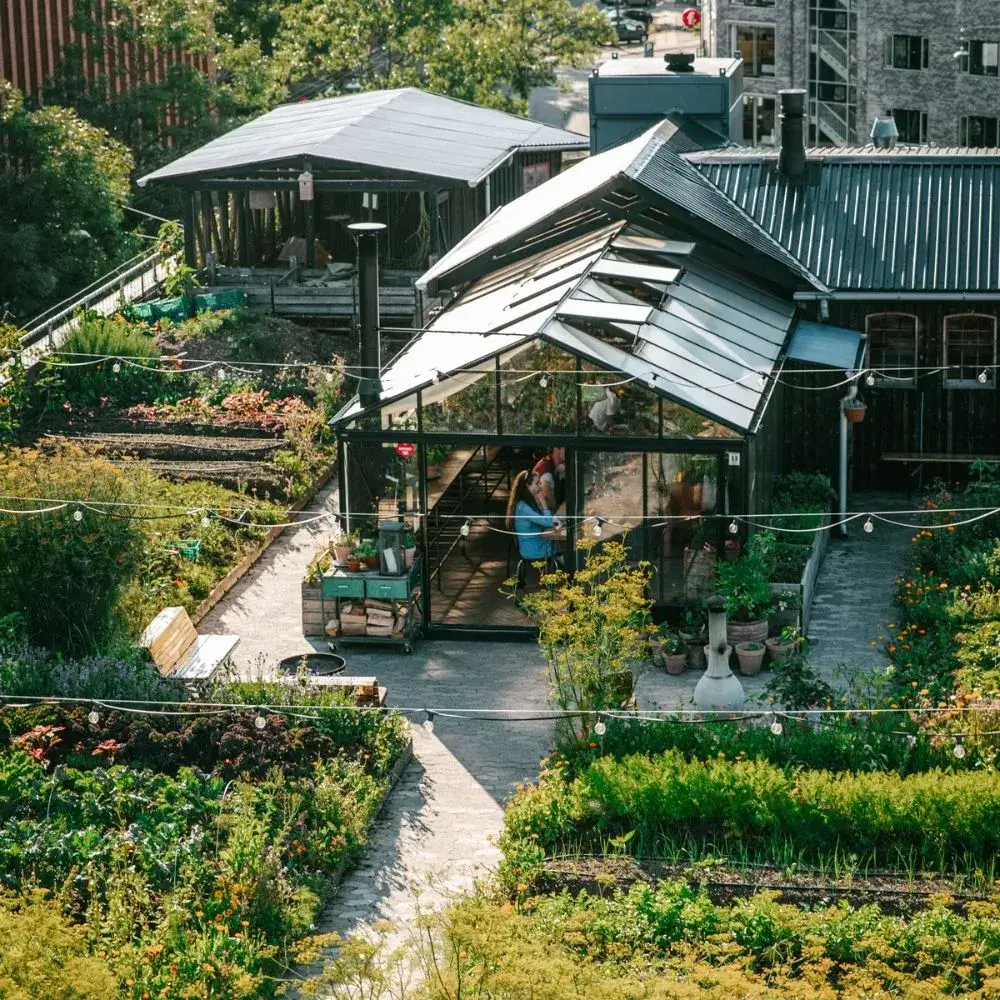
Eco-Friendly is the New Luxury
With climate concerns rising, restaurants are adopting zero-waste designs—think upcycled furniture, compostable decor, and energy-efficient lighting.
Why It’s Popular
– Appeals to eco-conscious millennials & Gen Z.
– Reduces operational costs (solar panels, rainwater harvesting).
– Brands as responsible businesses gain customer loyalty.
Examples in Action
– “Silo London” – World’s first zero-waste restaurant.
– “Azurmendi (Spain)” – Uses renewable energy and on-site farming.
Pro Tips: Start with recycled materials or LED lighting before a full eco-overhaul.
6. Dark Mode & Moody Aesthetics
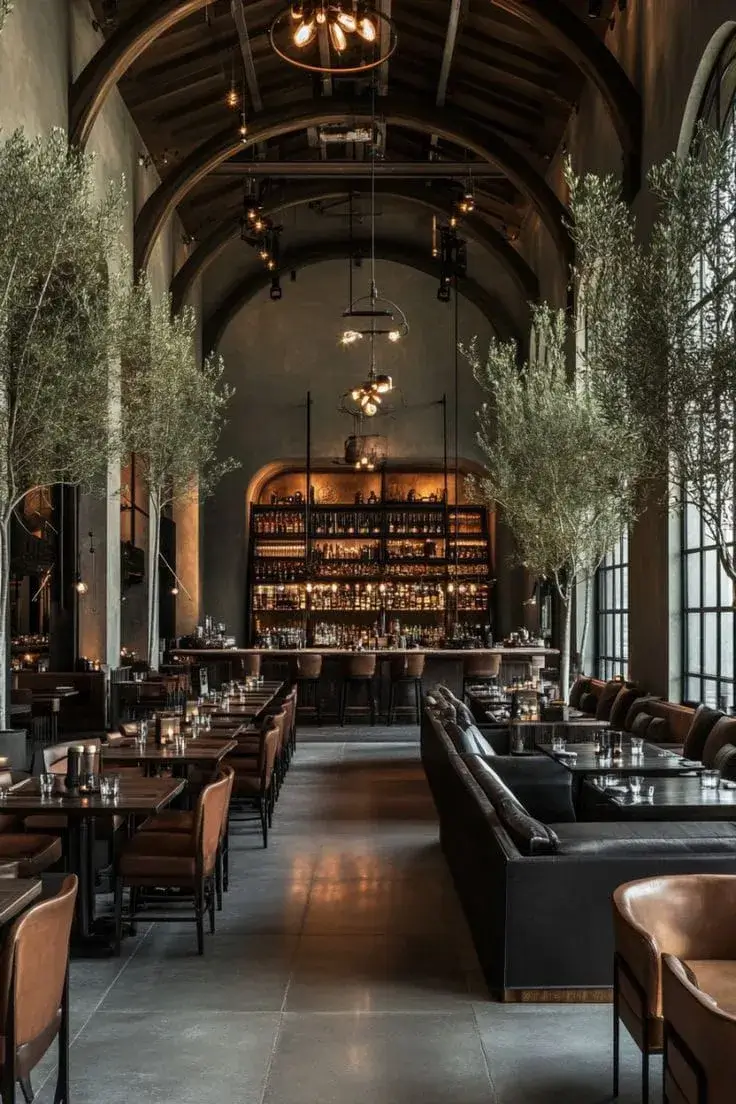
The Allure of Moody, Luxurious Spaces
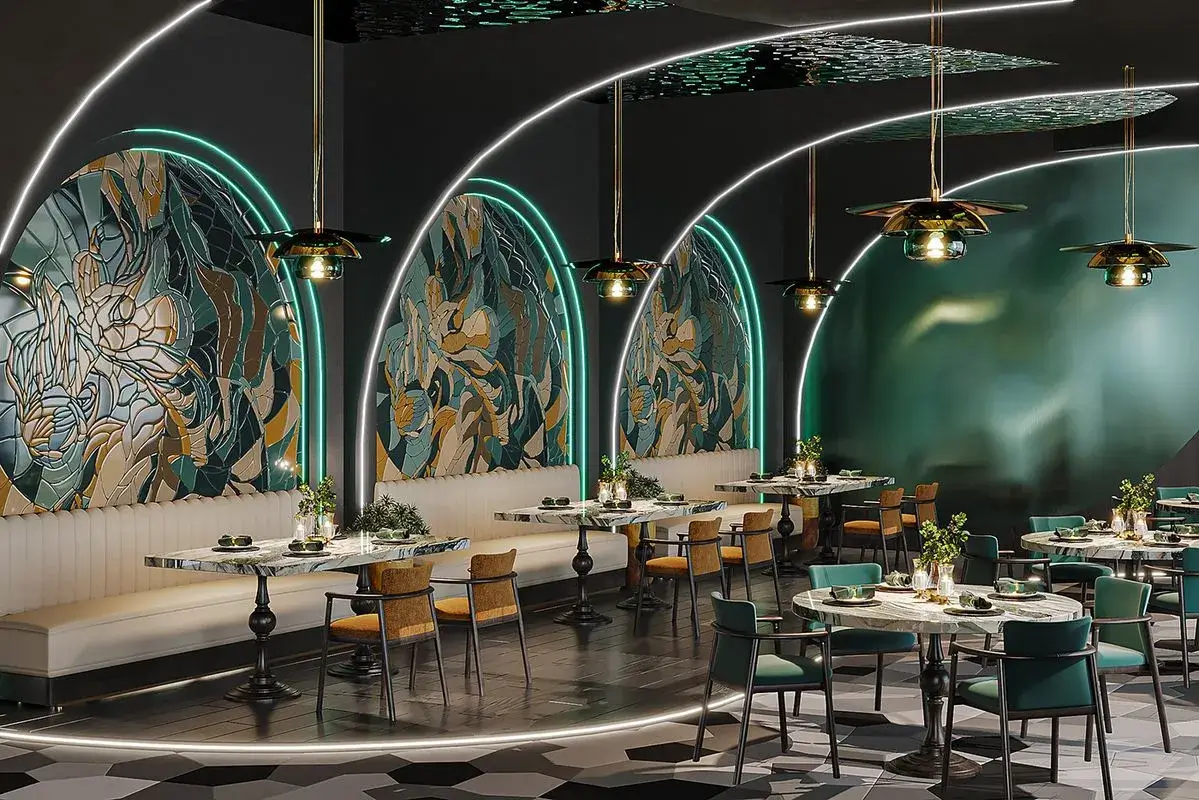
Move over, bright and airy—2025 is all about dark, intimate interiors. Think moody lighting, deep hues (navy, charcoal, emerald), and neon accents that create a sultry, speakeasy vibe.
Why It’s Popular
– Feels luxurious and exclusive—perfect for date nights and cocktail bars.
– Neon signs and dim lighting make for killer Instagram backdrops.
– Hides wear-and-tear better than white walls (practical for high-traffic spots).
Examples in Action
– “Death & Co” (NYC/Denver) – Moody, low-lit bar with velvet booths.
– “The Blind Barber” (LA) – Combines a barbershop with a dimly lit cocktail lounge.
Pro Tips: Balance dark walls with warm metallic accents (brass, copper) or textured fabrics to avoid a dungeon-like feel.
7. Flexible & Modular Spaces
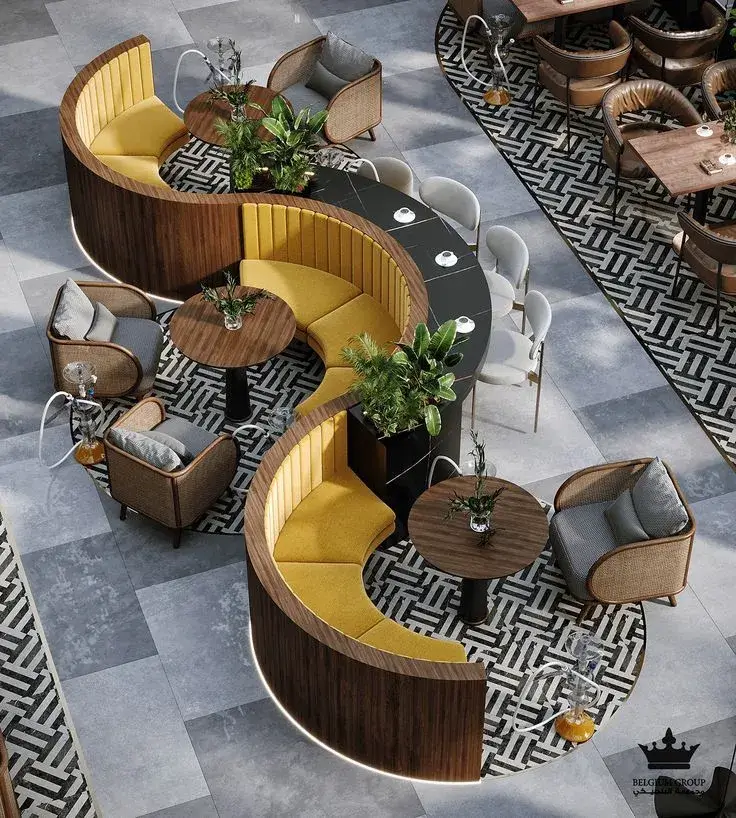
Restaurants That Adapt on Demand
Why stick to one layout when you can shift your space for different needs? Modular furniture, movable partitions, and pop-up setups let restaurants transform from a daytime café to a night-time event venue.
Why It’s Popular
– Maximizes space efficiency (small restaurants love this!).
– Allows for themed nights, private parties, or seasonal changes.
– Cost-effective—no need for permanent renovations.
Examples in Action
– “Noma Pop-Ups” (Copenhagen/Mexico/Japan) – Changes location and layout seasonally.
– “The Wing” (NYC) – Uses modular seating for co-working and dining.
Pro Tips: Start with foldable tables, stackable chairs, or sliding room dividers for easy flexibility.
8. Retro-Futurism (70s & 80s Revival with a Twist)
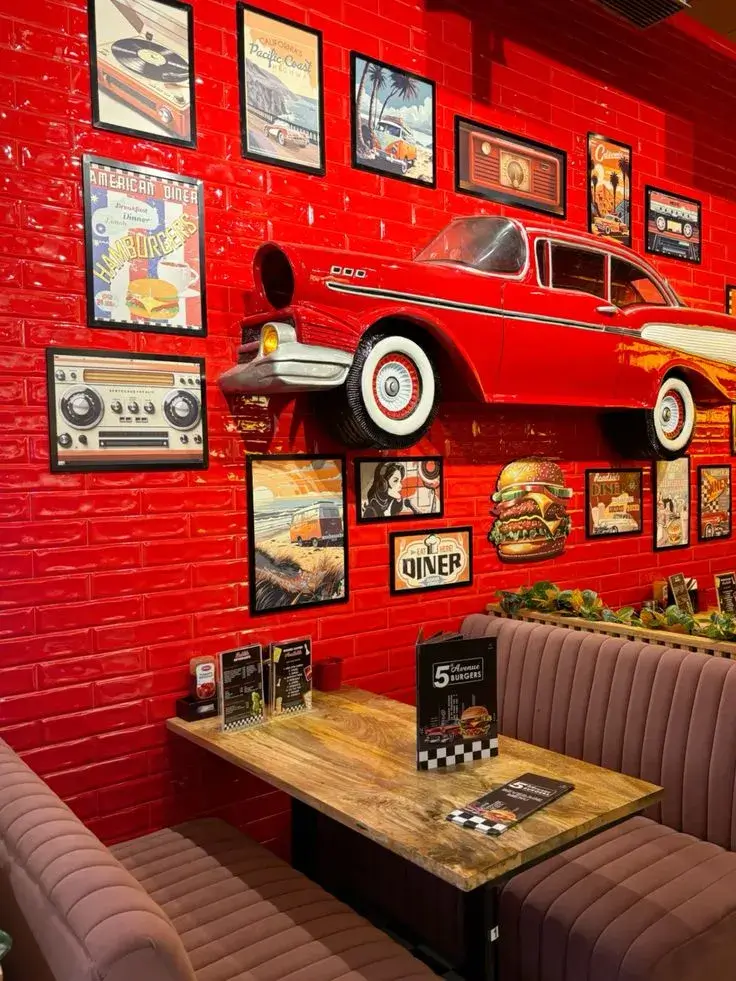
Nostalgia Meets Tomorrow’s Tech
The 70s and 80s are back—but with a high-tech upgrade. Picture curved booths, neon lights, and disco balls blended with AI menus and holographic art.
Why It’s Popular
– Nostalgia sells—boomers and Gen Z both love throwbacks.
– Vibrant colors and playful designs stand out on social media.
– Feels fresh when mixed with modern tech (e.g., retro arcade games with VR).
Examples in Action
– “The Jane (Antwerp)” – Retro-chic interiors with futuristic lighting.
– “Disco Pizza (London)” – A 70s-themed pizzeria with digital jukeboxes.
Pro Tips: Don’t go full theme park—balance retro elements with sleek, modern touches (e.g., vintage posters with digital frames).
9. Open Kitchens as Theater
Where Chefs Become Performers
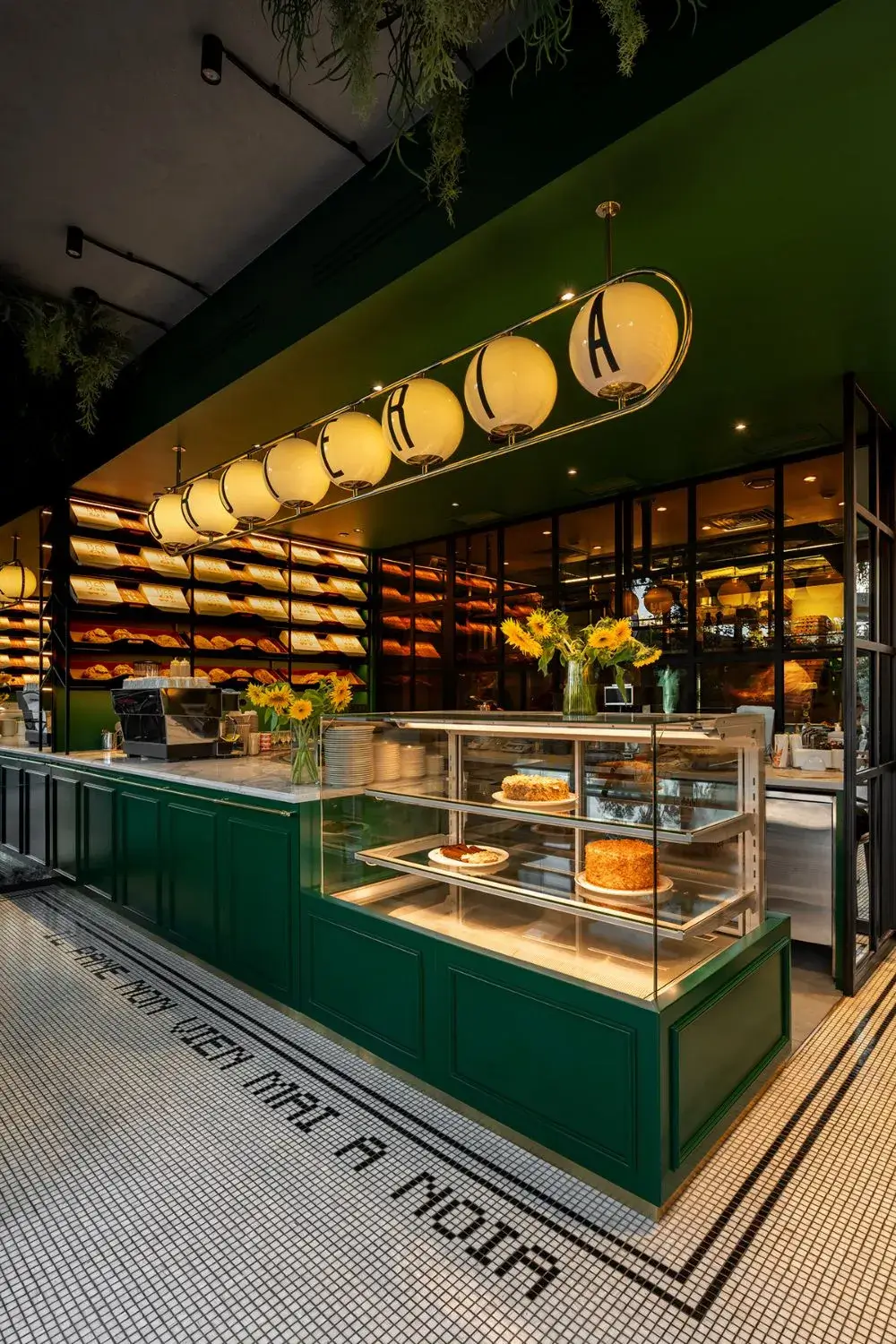
People don’t just want to eat—they want a show. Open kitchens, chef’s counters, and live-fire cooking stations turn meals into interactive entertainment.
Why It’s Popular
– Builds trust (diners see food prep in real-time).
– Adds excitement (flames, knife skills, plating artistry).
– Social media gold—guests love filming chefs in action.
Examples in Action
– “Mugaritz (Spain)” – Diners can walk into the kitchen lab.
– “Benihana (Global)” – Teppanyaki chefs entertain tableside.
Pro Tips: Even small kitchens can add a bar counter with a view or a glass partition for transparency.
10. Virtual & Augmented Reality Dining
Eating in a Digital World
Why settle for reality when you can dine in a virtual forest, space, or cyberpunk city? AR menus and VR headsets are turning meals into multi-dimensional experiences.
Why It’s Popular
– Unforgettable novelty—great for special occasions.
– Storytelling through tech (e.g., a “Jurassic Park”-themed dessert with AR dinosaurs).
– Attracts tech-savvy crowds willing to pay premium prices.
Examples in Action
– “Cyberpunk Bar (Seoul)” – Diners wear AR glasses to see digital avatars.
– “Project Nourished (LA)” – VR dining where you “eat” virtual food.
Pro Tips: Start small with AR menus (scan to see 3D food models) before investing in full VR setups.
For Instant Query Call us at : +91 8588 999 885 / 999 999 3775 — Email us at : [email protected]
Final Thoughts: The Future of Restaurant Design
2025 is all about breaking boundaries—whether through sustainability, tech, or pure creativity. The best restaurants won’t just serve food; they’ll craft immersive stories that keep guests coming back. Need Professional help contact Kriaan Enterprises – A leading restaurant consultants and interior designers.
Which trend excites you most? Are you ready to redesign your space, or do you prefer classic vibes? Let us know in the comments!