
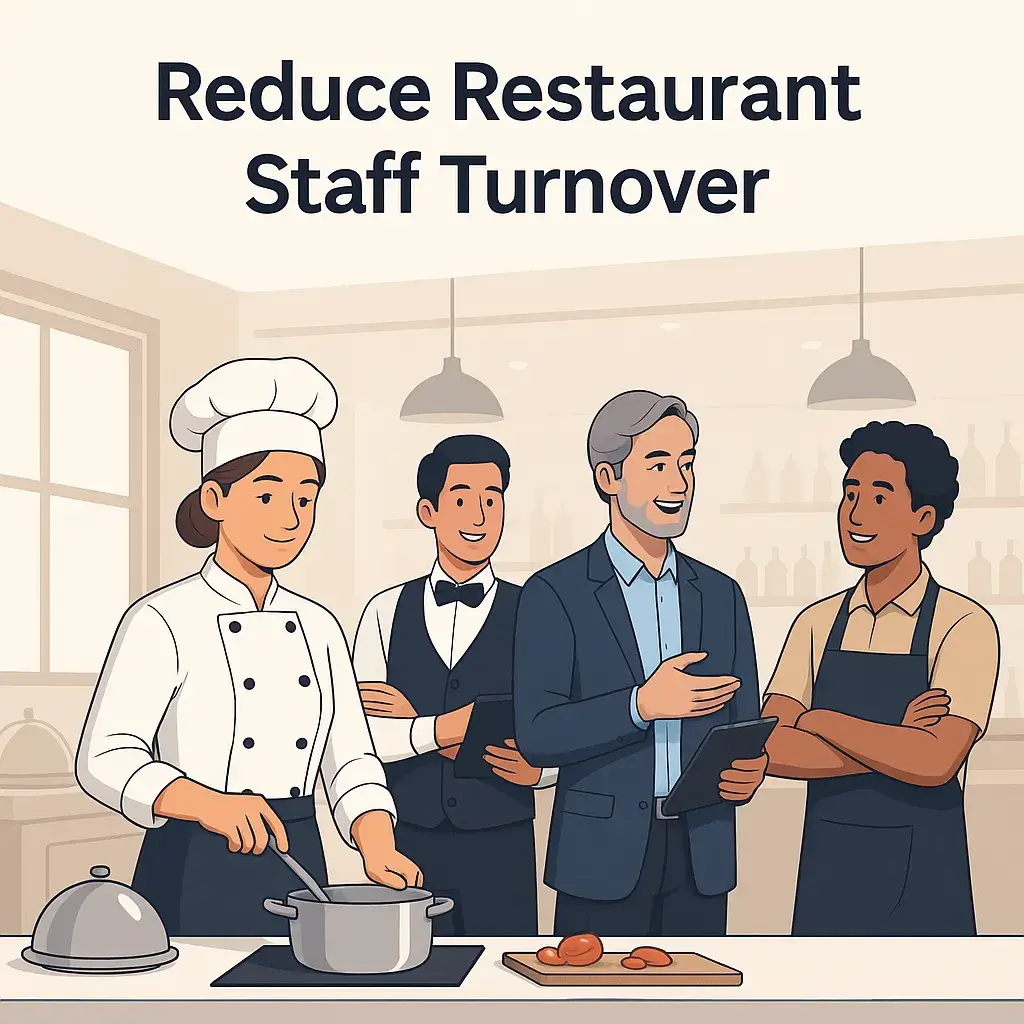
Running a restaurant isn’t just about great food or a prime location — it’s about people. A strong, motivated team is the heartbeat of any successful restaurant. But one of the most frustrating challenges restaurant owners face today is high staff turnover. From cooks and servers to hosts and managers, employees often come and go quickly, leaving businesses scrambling to maintain service quality and team morale.
The restaurant industry is known for its high turnover rates — in some cases exceeding 70% annually. That means if a restaurant employs 20 people, more than a dozen could leave within a year. The constant cycle of hiring, training, and replacing staff isn’t just exhausting; it’s expensive and damaging to the guest experience.
The good news? With the right strategies and systems in place, restaurants can reduce staff turnover, boost employee retention, and build a team that stays for the long haul. This guide explores proven, real-world strategies to retain restaurant staff — and how restaurant consultants can help make it happen.
Why Staff Turnover Is a Critical Issue for Restaurants
The True Cost of Losing Employees
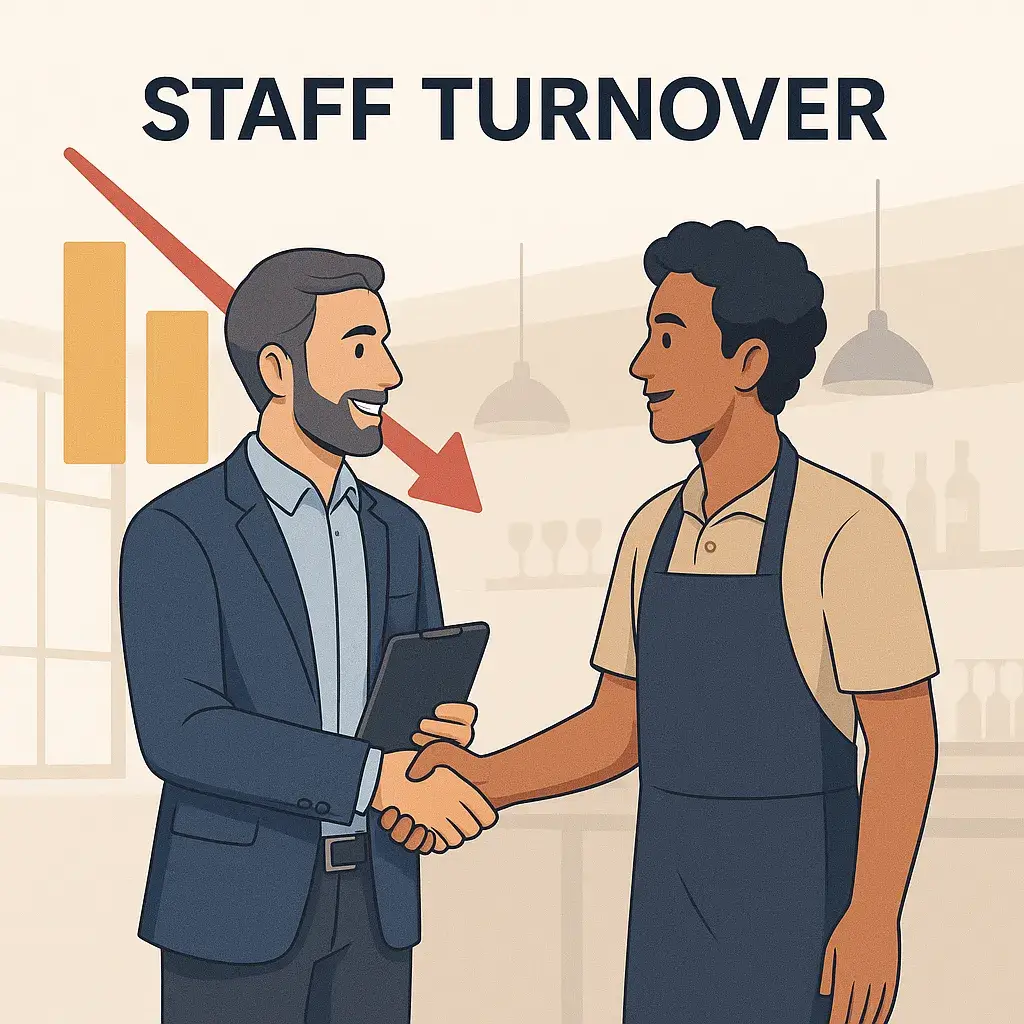
Staff turnover isn’t just inconvenient — it’s costly. Each time an employee leaves, restaurants spend significant time and money recruiting, onboarding, and training their replacement. According to industry estimates, replacing a single hourly restaurant employee can cost $3,000 to $5,000, while replacing a manager can exceed $10,000 (Global Standard Data).
But the financial cost is just one side of the problem. High turnover also leads to:
- Inconsistent service quality: Frequent new hires mean longer training periods and inconsistent guest experiences.
- Lower team morale: Constant departures can demoralize remaining staff and disrupt team dynamics.
- Reduced customer satisfaction: Guests notice when staff are inexperienced or unfamiliar with the menu.
- Operational inefficiencies: Management spends more time hiring and training instead of improving operations.
Understanding the Root Causes
To solve high turnover, restaurants first need to understand why employees leave. The reasons are often deeper than money alone:
- Low pay and limited benefits compared to competitors
- Lack of career growth or training opportunities
- Toxic work culture or poor leadership
- Unpredictable schedules leading to burnout
- Insufficient onboarding and unclear expectations
These are not isolated problems — they’re patterns across the industry. Addressing them requires a strategic approach focused on people, culture, and long-term planning.
Strategies to Reduce Staff Turnover in the Restaurant Industry
Reducing turnover is not about one quick fix — it’s about creating an environment where employees feel valued, supported, and motivated to stay. Here are proven strategies restaurants use to improve retention and reduce turnover rates.
1. Improve Hiring Practices
Retention starts at recruitment. Hiring the right people from the beginning reduces turnover dramatically.
- Hire for attitude, train for skills: Skills can be taught, but personality, attitude, and cultural fit are harder to change.
- Involve team members in interviews: Existing staff can help assess whether a candidate will mesh with the team.
- Use trial shifts or probation periods: A short trial helps assess how well candidates handle real-world conditions.
Smart hiring ensures that new employees align with your restaurant’s mission and values — reducing the likelihood of quick exits.
2. Strengthen Onboarding and Training
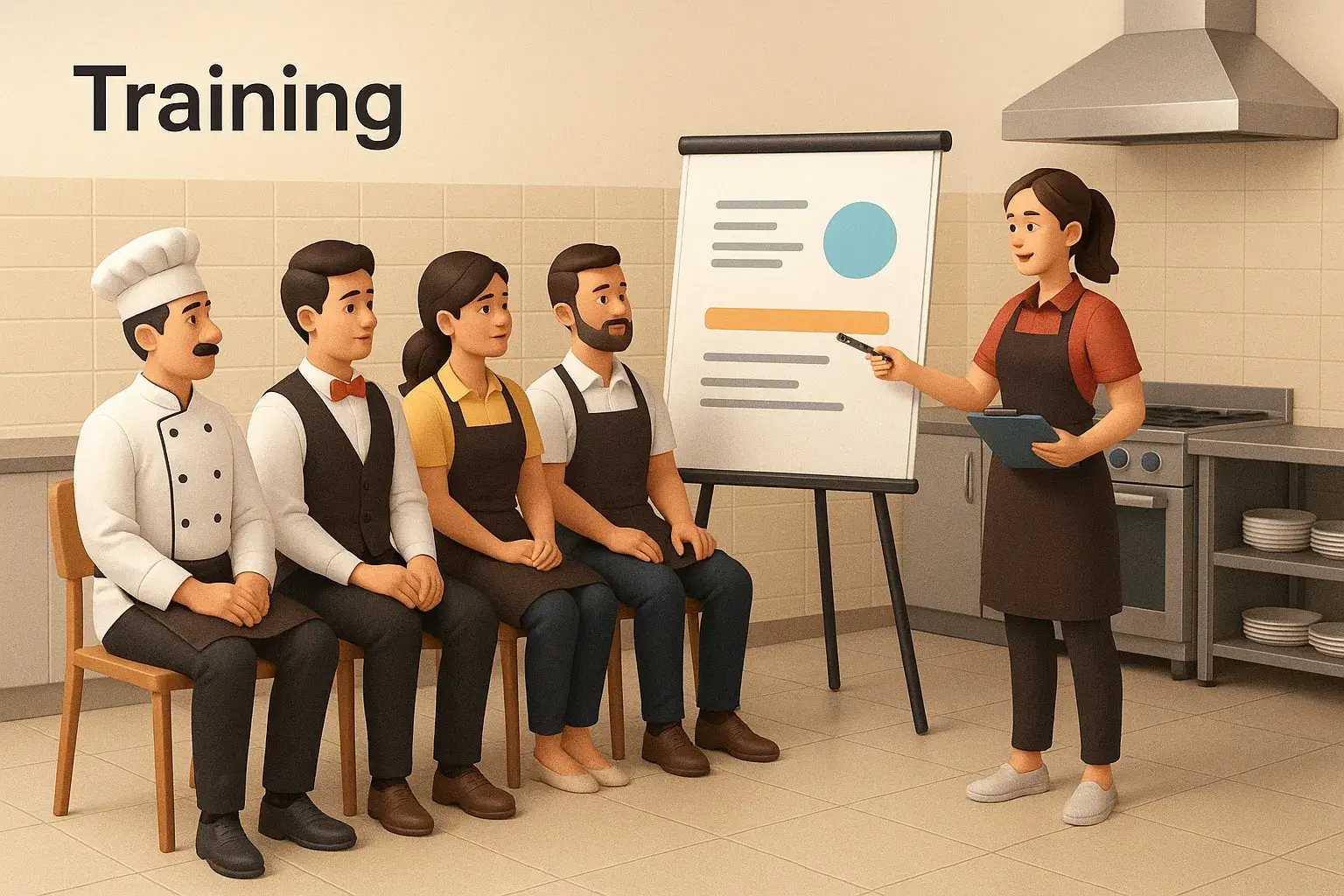
A structured onboarding process is one of the most effective ways to retain restaurant employees long-term. The first few weeks set the tone for the entire employment journey.
- Provide clear role expectations and company values during onboarding.
- Create step-by-step training plans for both technical skills (e.g., POS systems) and soft skills (e.g., customer service).
- Pair new hires with experienced mentors to offer guidance and build confidence.
When employees feel supported and equipped to succeed, they’re far less likely to leave prematurely.
3. Offer Competitive Pay and Benefits
While pay isn’t the only factor behind turnover, it’s a significant one. If employees feel underpaid, they’ll quickly look elsewhere.
- Benchmark salaries against industry standards and adjust regularly.
- Offer performance-based bonuses, tip pooling, or profit-sharing to reward hard work.
- Provide perks like free meals, paid breaks, transportation assistance, or health coverage.
Even modest improvements in compensation can make your restaurant more attractive and improve employee satisfaction.
4. Build a Positive Workplace Culture
Culture is often the difference between a workplace people tolerate and one they love. A supportive, respectful culture keeps employees engaged and reduces turnover.
- Promote teamwork and mutual respect across all roles.
- Recognize and celebrate achievements — even small wins matter.
- Organize staff events, outings, or team-building activities to strengthen relationships.
- Encourage open communication where feedback is welcomed, not punished.
A positive culture doesn’t just retain employees — it attracts better talent in the first place.
5. Improve Scheduling and Work-Life Balance
One of the top complaints among restaurant workers is poor scheduling. Unpredictable hours and last-minute changes drive people away.
- Offer flexible scheduling to accommodate personal needs.
- Use scheduling software to ensure fairness and prevent overbooking.
- Respect days off and avoid calling employees in unless absolutely necessary.

Better scheduling policies improve employee satisfaction and help reduce burnout — a leading cause of turnover in the restaurant industry.
6. Provide Career Growth Opportunities
For many restaurant employees, jobs are seen as temporary because they don’t see a future beyond their current role. Changing that perception is key to improving staff retention.
- Outline clear career paths from day one, showing employees how they can grow.
- Offer leadership and management training to prepare ambitious employees for promotions.
- Promote from within whenever possible — it boosts loyalty and morale.
When employees see a future in your business, they’re far more likely to commit for the long term.
7. Engage and Listen to Your Team
Engagement is a two-way street. Employees who feel heard, valued, and respected are much more likely to stay.
- Conduct regular feedback sessions or anonymous surveys to understand staff concerns.
- Hold team meetings to discuss challenges, ideas, and suggestions.
- Act on feedback and show employees that their opinions lead to real change.
Even small gestures, like implementing a staff suggestion, can significantly improve retention.
Using Technology to Improve Retention
Modern technology can help restaurants reduce turnover and streamline operations:
- Scheduling tools like 7shifts or Homebase ensure fair, predictable scheduling.
- HR software can track performance reviews, training progress, and feedback.
- Onboarding platforms help standardize the training process, reducing early resignations.
Adopting the right tech doesn’t replace human leadership — but it does make managing teams easier, more transparent, and more efficient.
How Restaurant Consultants Can Help Reduce Staff Turnover

While many of these strategies can be implemented in-house, working with experienced restaurant consultants can significantly accelerate the process. Consultants bring a fresh perspective and deep industry knowledge to tackle retention challenges head-on.
Here’s how they help:
- Analyse workforce dynamics: Identifying root causes of turnover and creating targeted solutions.
- Optimize workflows: Streamlining operations to reduce stress and prevent burnout.
- Train leadership: Teaching managers effective communication and people management skills.
- Design retention programs: Creating reward systems, career development paths, and engagement plans tailored to the business.
For restaurants struggling with persistent turnover, consultants can be the difference between constant hiring cycles and a loyal, long-term team.
Real-World Example: Turning Around High Turnover
Consider a mid-sized fine dine that faced an annual turnover rate of 80%. Most new hires left within three months due to inconsistent schedules, lack of recognition, and unclear career paths. By bringing in a consultant, the restaurant:
- Implemented structured onboarding and regular check-ins.
- Introduced monthly recognition programs and team-building events.
- Created a clear internal promotion path and leadership training.
Within six months, turnover dropped by over 40%, saving the business thousands of dollars and significantly improving customer satisfaction. The once-frustrated team became engaged, motivated, and proud to be part of the restaurant’s journey.
Bonus: Staff Retention Checklist for Restaurant Owners
Here’s a quick checklist to help restaurants reduce turnover rates and improve employee retention:
✅ Hire for attitude and cultural fit
✅ Provide structured onboarding and mentorship
✅ Offer competitive pay and meaningful benefits
✅ Foster a positive, respectful workplace culture
✅ Use fair, predictable scheduling
✅ Create clear career paths and promote from within
✅ Listen to employee feedback and act on it
✅ Consider hiring restaurant consultants for expert guidance
Print this checklist and review it quarterly to keep your retention strategy on track.
Final Thoughts – Build a Team That Stays
Reducing staff turnover in the restaurant industry isn’t about quick fixes — it’s about building a workplace where people feel valued, supported, and inspired to stay. From smarter hiring to thoughtful leadership, each step strengthens your team and your business.
And if these changes feel overwhelming, partnering with a good restaurant consultant, which can make a world of difference. They bring proven strategies, fresh insights, and customized solutions to help you retain top talent and focus on what truly matters — growing your restaurant.
Frequently Asked Questions
Q1: What is a good staff turnover rate for restaurants?
A turnover rate below 50% is considered healthy in the restaurant industry. Many establishments exceed 70%, but even a 10–20% reduction can significantly improve operations and profitability.
Q2: What are the most common reasons restaurant staff quit?
Low pay, long hours, poor management, lack of training, and limited growth opportunities are the most common reasons. Addressing these directly can reduce turnover dramatically.
Q3: How can small restaurants compete with big chains in retaining employees?
Focus on areas where small restaurants excel: personalized culture, flexibility, recognition, and clear communication. Small businesses can often offer a more supportive environment than large chains.
Q4: How long does it take to see results from retention strategies?
Most restaurants notice improvements within 3–6 months after implementing structured onboarding, improved communication, and better scheduling policies.
Q5: Can restaurant consultants help improve staff retention?
Absolutely. They bring industry-specific expertise, analyse your unique challenges, and design tailored retention programs that are proven to work.