
Fast Casual vs. Fine Dining Layout Strategies
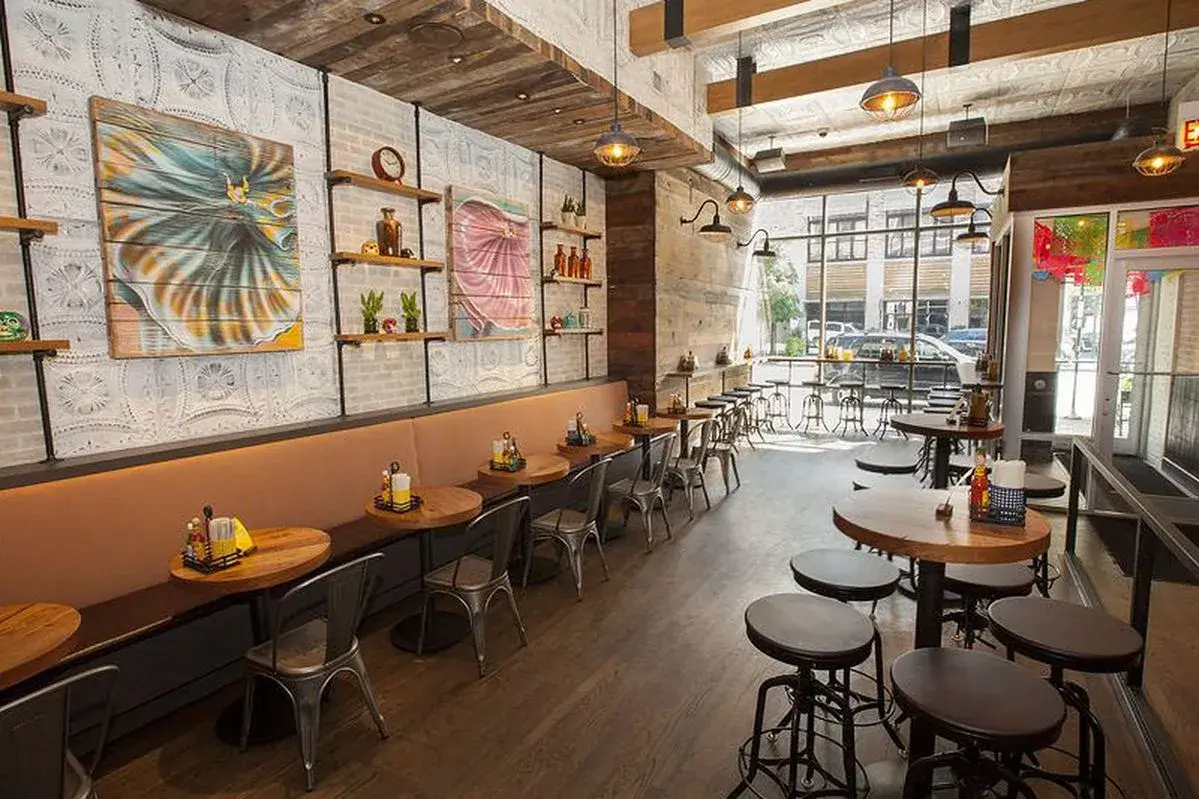
Whenever you have walked into a fast-casual restaurant, and you’ll likely notice tightly packed tables, bustling servers, and a line at the counter. Now next time step into a fine dining and the scene changes—spacious seating, unhurried service, and an air of exclusivity.
This isn’t just about aesthetics; it’s a carefully calculated science of space, psychology, and profit. Whether you’re designing a quick-service eatery or an upscale fine dine, your layout can make or break your bottom line.
Let’s break down how fast casual and fine dining layouts differ—and how to optimize yours for maximum revenue.
The Psychology of Table Spacing: Why Layouts Shape matters
Fast Casual: The Need for Speed
Fast-casual restaurants thrive on high turnover, balancing efficiency with a slightly elevated dining experience compared to quick-service chains. Their layouts are strategically designed to:
• Encourage quick meals (tables spaced 24″-30″ apart)
Tight seating arrangements reduce idle time, subtly nudging guests to finish meals faster. Combined with ergonomic seating (like stools or benches), this setup maximizes capacity without sacrificing comfort for shorter stays. Studies show that closer table spacing can increase turnover rates by up to 20% during peak hours.
• Minimize lingering (hard surfaces, bright lighting, minimal decor)
Echoey acoustics from concrete floors or metal chairs, paired with cool-toned LED lighting, create an energetic vibe that discourages relaxation. Unlike cozy cafés, fast-casual spaces avoid plush seating or dim lighting—elements that subconsciously signal patrons to stay longer.
• Streamline ordering (clear counter-service flow)
A well-marked queue path, menu boards with bold visuals, and strategically placed condiment stations prevent bottlenecks. Many brands use dual-line systems to speed up customization while keeping the kitchen visible, reinforcing freshness as a selling point.
Psychological Trick:
Studies show that moderate noise levels (70-80 decibels)—common in fast-casual spaces—make people eat faster without realizing it.
Fine Dining: The Art of Lingering
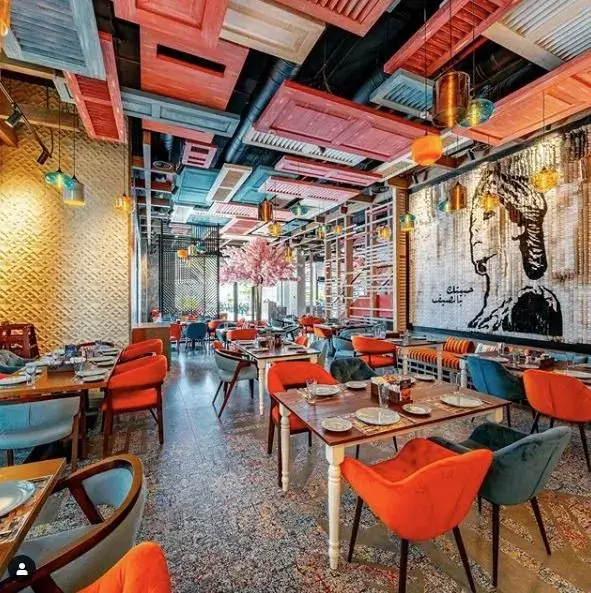
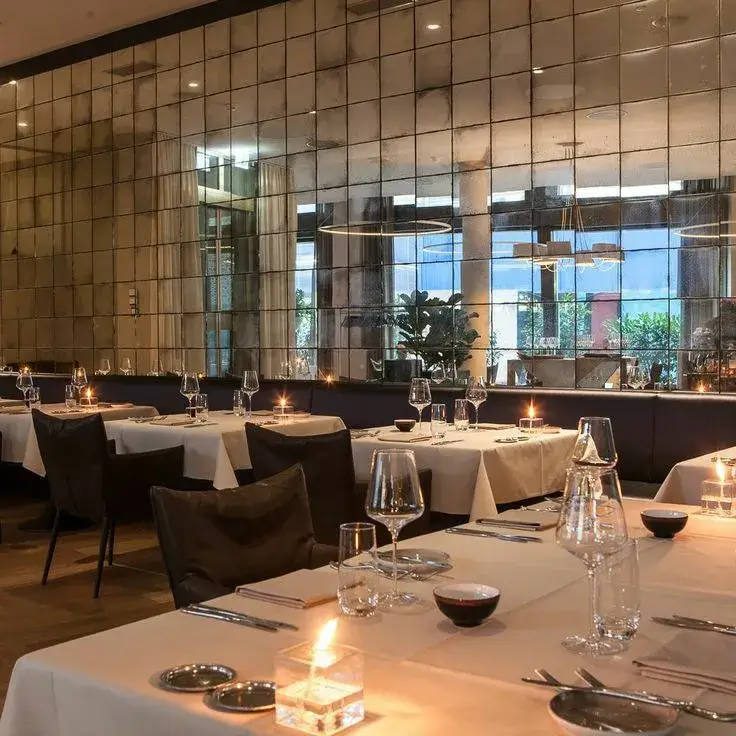
Fine dining focuses on creating a special experience where guests can relax and enjoy their meal without feeling rushed. The layout is carefully designed to make diners feel comfortable and valued:
Privacy (tables spaced 36″-48″ apart)
Tables are placed farther apart so conversations stay private. Booths, room dividers, or plants help block noise and create a cozy, personal space. Servers can also move around easily without bumping into chairs.
Comfort (plush seating, soft lighting)
Cushioned chairs, warm lighting, and quiet fabrics (like curtains or carpets) make the space feel relaxing. Unlike fast-casual restaurants, the softer lighting helps guests unwind and stay longer.
Perceived exclusivity (fewer, well-spaced tables)
Fewer tables make the restaurant feel more upscale and less crowded. Some places keep extra tables empty until needed, so it always looks polished and exclusive. Clever seating arrangements can even make every table feel like the best spot in the room.
Psychological Trick:
Wider spacing makes guests feel like VIPs, increasing their willingness to spend on wine, desserts, and extended courses.
Need Professional help Contact Kriaan Enterprises- A Leading Restaurant Consultants & Interior Designers
Fast Casual Layouts: Designed for Volume
High-Density Seating: Maximizing Space Without Sacrificing Efficiency
High-density seating is a strategic approach to restaurant design that balances capacity, guest comfort, and operational flow. Clever layouts ensure every square foot contributes to revenue while maintaining a dynamic atmosphere:
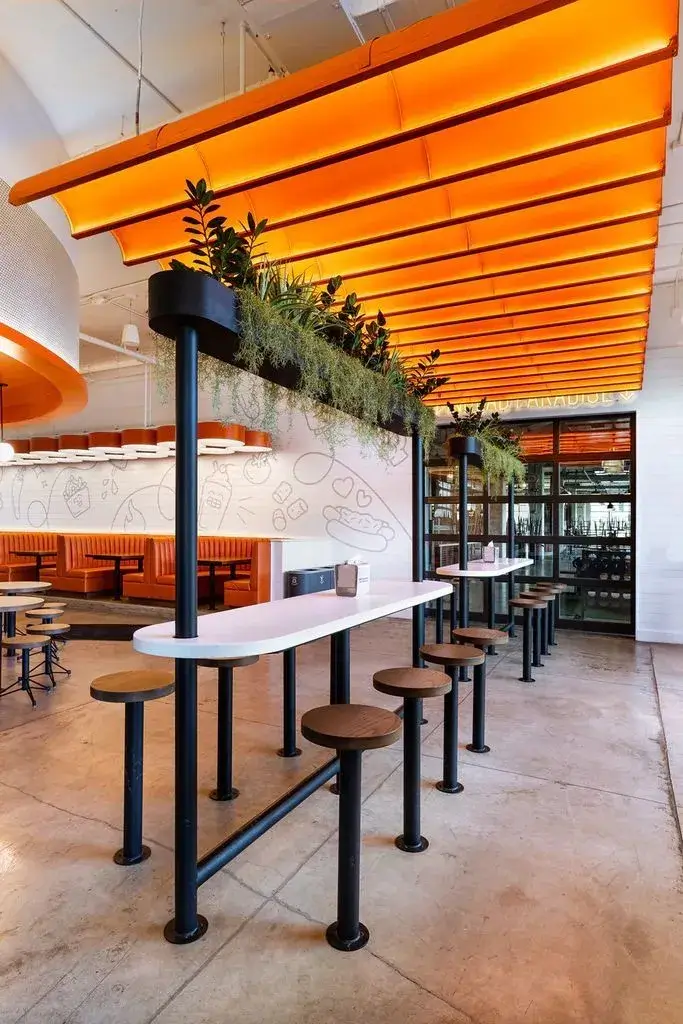
• Banquettes along walls maximize seating capacity without crowding walkways, using clever space-saving designs that still offer comfortable back support for diners. The continuous seating also creates efficient service paths for staff.
• Bar-height tables near registers serve dual purposes – they accommodate quick eaters while subtly encouraging faster turnover. Their elevated design creates natural traffic flow toward ordering areas during busy periods.
• Communal tables optimize seating by flexibly accommodating groups of varying sizes, reducing wasted space from partially occupied tables. Many modern designs incorporate subtle dividers or charging ports to enhance functionality.
Pro Tip:
Fast-casual chains like Chipotle use parallel queue lines to speed up ordering, while Sweetgreen opts for a single serpentine line to manage crowds.
The “15-Minute Table Flip” Rule
- No tablecloths → Faster cleaning.
- Minimal decor → Fewer distractions.
- Hard floors → Reflect energy, discourage lounging.
Case Study:
A Panera Bread location increased lunchtime revenue by 18% simply by rearranging tables to reduce bottlenecks.
Fine Dining Layouts: Luxury & Profit Per Seat
The “Money Tables” Concept
Not all tables are equal. Fine dining layouts prioritize:
- Window seats (most requested, highest perceived value)
- Centre-stage booths (ideal for “see-and-be-seen” guests)
- Private corners (for romantic dinners or business meetings)
Pro Move:
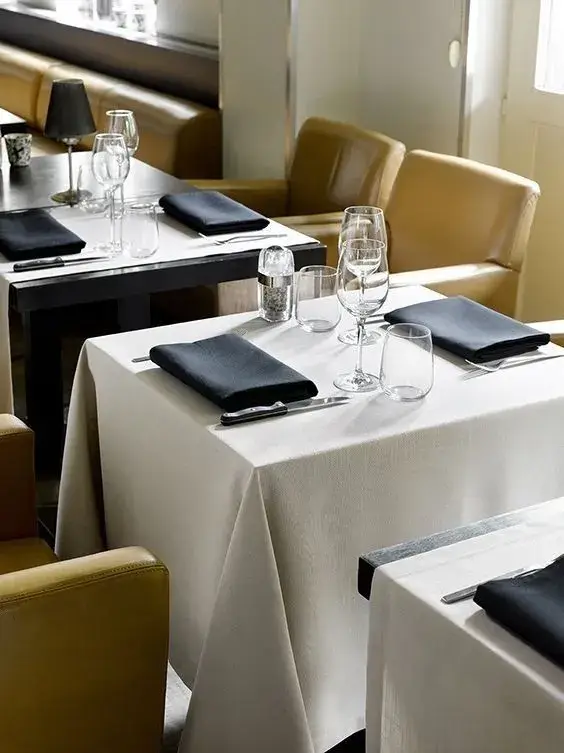
Some high-end restaurants keep one “empty” buffer table between parties to enhance exclusivity.
Serpentine Server Pathways
Unlike fast casual (straight-line efficiency), fine dining uses curved walkways to:
- Slow down service pacing (encouraging more wine orders).
- Prevent guests from feeling rushed.
- Create a sense of discovery (hidden nooks, staggered seating).
Example:
Michelin-starred restaurants average just 40-50 seats—because less space = higher perceived value.
Revenue-Boosting Layout Hacks
For Fast Casual:
✅ Place bar stools near registers → Increases impulse drink purchases.
✅ Use “perch seating” (no-back stools) → Encourages shorter stays.
✅ Optimize pickup zones → Separate lanes for delivery vs. in-person orders.
For Fine Dining:
✅ Circular table clusters → Easier for servers to upsell bottles.
✅ Private nooks with dim lighting → Boosts dessert orders by 18%.
✅ Strategic hostess placement → Controls pacing and table turnover.
5. Common Layout Mistakes to Avoid
🚫 Fast Casual: Overcrowding leads to order errors and customer frustration.
🚫 Fine Dining: Too much space kills profitability (empty rooms feel dead).
🚫 Both: Poorly placed service stations create bottlenecks.
6. The Future of Restaurant Layouts
- Fast Casual: More ghost kitchen influences (smaller footprints, tech-driven ordering).
- Fine Dining: Flexible partitions for post-COVID spacing needs.
- Both: QR code menus changing how tables are spaced.
For Instant Query Call us at : +91 8588 999 885 / 999 999 3775 Email us at : [email protected]
Final Takeaway: Which Layout Wins?
- Fast Casual = Density + Speed → More covers, quicker flips.
- Fine Dining = Space + Exclusivity → Higher spend per guest.
Action Step:
Before finalizing your layout, map your ideal customer journey. Where do they order? Sit? Stay longest? Adjust accordingly.
Need Help?
👉 Contact Kriaan Enterprises to solve your problem- An award-winning interior Design Company