Running a restaurant is not just serving delicious food — it’s about creating a smooth, memorable experience from the moment guests walk in until they leave satisfied. One of the most overlooked aspects of restaurant operations is service flow optimization — the invisible rhythm that keeps everything moving seamlessly between the front-of-house, back-of-house, and customers.
When the restaurant service flow is efficient, orders arrive faster, staff stay coordinated, and guests enjoy a smoother dining experience. But when it’s disorganized, even the best menu and ambiance can’t save a restaurant from long wait times, frustrated staff, and negative reviews.
To help restaurant owners improve efficiency and deliver consistently excellent service, here are five proven strategies to optimize restaurant service flow — strategies trusted by experienced restaurant consultants and hospitality experts.
🧭 Why Restaurant Service Flow Matters alot
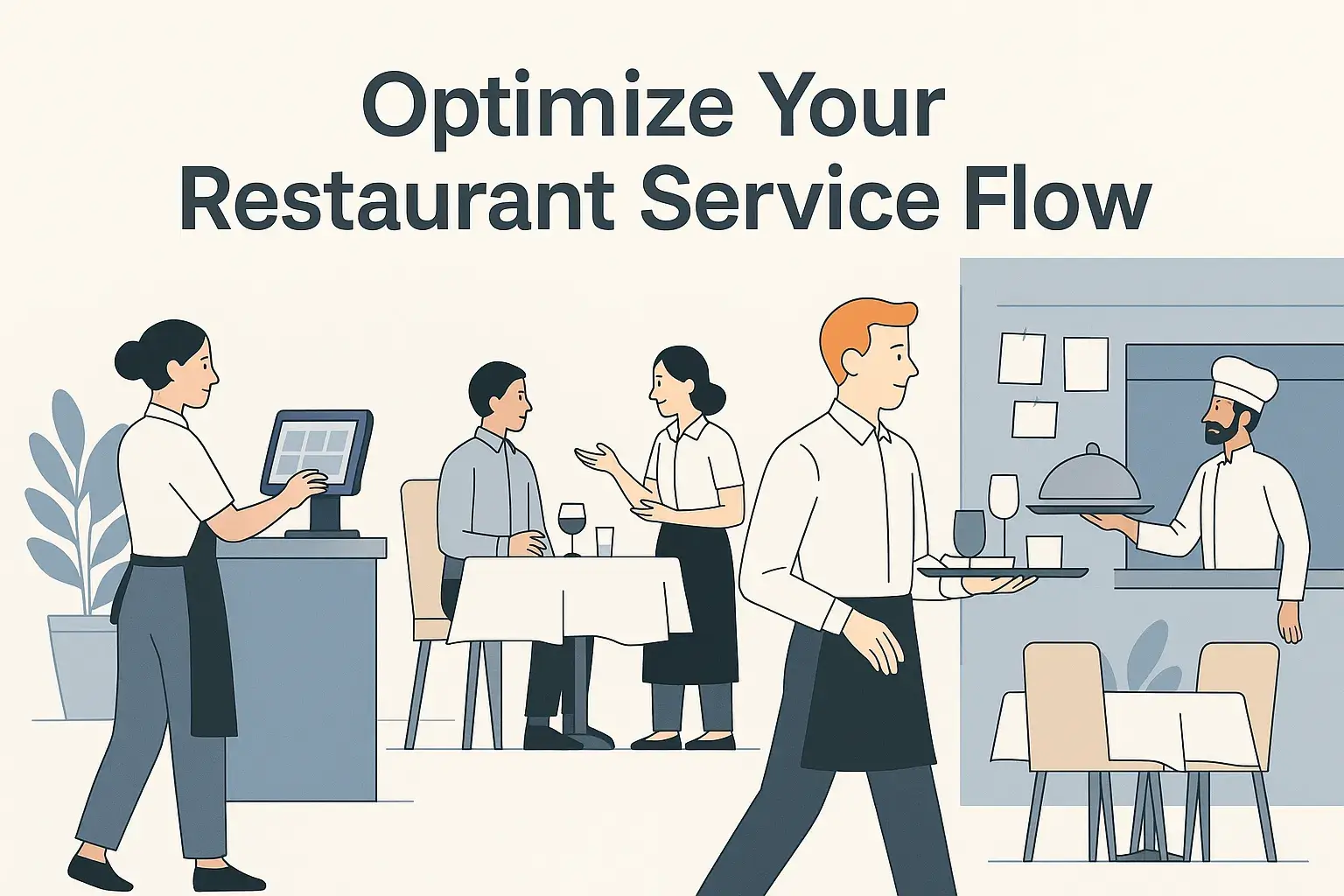
Service flow refers to the step-by-step journey of service — from seating guests and taking orders to preparing food, delivering it, and resetting tables. It’s the heartbeat of restaurant operations.
An optimized service flow impacts several key areas:
⭐ Customer experience: Faster service and smoother operations leave a lasting impression and boost repeat visits.
💼 Operational efficiency: A streamlined restaurant workflow reduces errors, delays, and wasted time.
💸 Revenue: Improving service flow can significantly increase table turnover rate, allowing more customers to be served during peak hours.
👩🍳 Staff productivity: Clear roles, better coordination, and fewer bottlenecks make employees more confident and efficient.
Even small changes in how orders move from kitchen to table can make a noticeable difference. Now, let’s explore the five most effective ways to achieve this.
1. Streamline Front-of-House and Back-of-House Communication
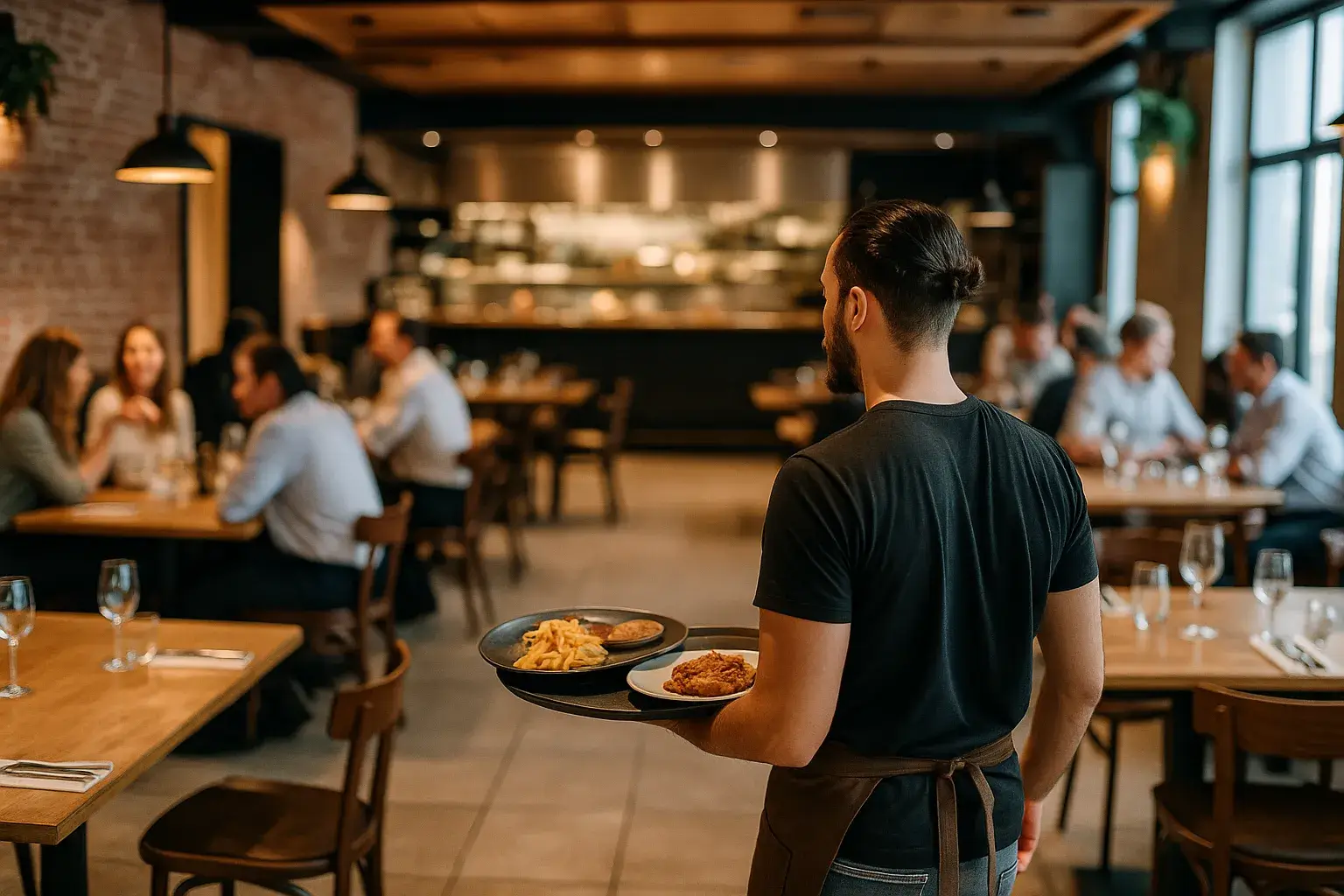
One of the most common causes of slow service and errors is poor communication between servers and kitchen staff. If messages aren’t delivered accurately or updates don’t reach the right person in time, the whole service flow can collapse.
Break Down Communication Barriers
Encourage a culture of clear, consistent communication. Servers, hosts, and kitchen staff should use standard phrases and signals to avoid misunderstandings. Brief pre-shift meetings are also helpful for aligning the team on special menus, large bookings, or any changes.
Integrate Technology for Real-Time Updates
Modern POS systems (Point of Sale) and Kitchen Display Systems (KDS) are game-changers for improving restaurant service efficiency. Orders entered by servers instantly appear in the kitchen, reducing delays and errors. Notifications can alert staff when dishes are ready, and special requests can be flagged clearly.
Quick tips to improve communication:
- Standardize how orders are entered into the POS system.
- Use digital screens in the kitchen to display orders clearly.
- Set up clear communication protocols for rush hours.
This simple yet powerful step can drastically improve your kitchen-to-table workflow and enhance the overall restaurant operations.
2. Rethink Your Restaurant Layout for Efficiency
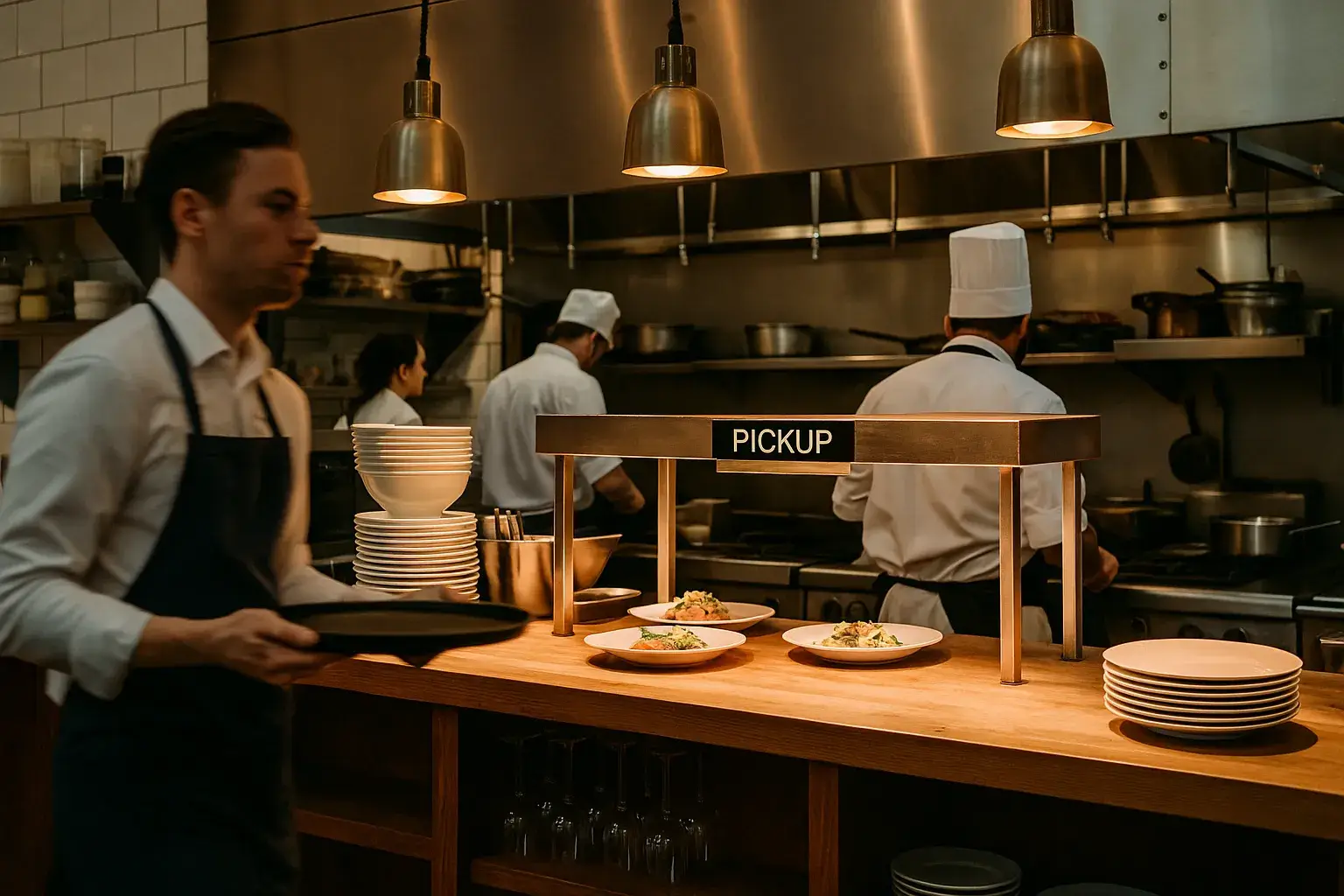
Your restaurant’s physical layout has a huge impact on service speed and staff productivity. A poor layout creates bottlenecks, forces staff to walk unnecessary distances, and slows down service — all of which hurt customer satisfaction.
Optimize Traffic Flow
Design pathways that make it easy for servers to move quickly between tables, stations, and the kitchen. Avoid placing tables or décor that block main routes. High-traffic zones like POS stations, restrooms, and kitchen doors should remain unobstructed.
Smart Kitchen-to-Table Pathways
The shorter the distance food has to travel, the hotter and fresher it arrives at the table. Strategically place service stations near busy sections, and if space allows, create separate entry and exit points for staff to minimize collisions.
Layout optimization checklist:
- Keep aisles wide and clear for easy movement.
- Place wait stations strategically to minimize travel time.
- Designate pickup zones for delivery or takeaway to reduce congestion.
A thoughtful layout not only speeds up service but also contributes to a more enjoyable work environment for staff and a better experience for guests.
3. Implement Standard Operating Procedures (SOPs)
Every successful restaurant shares one secret weapon: well-defined Standard Operating Procedures (SOPs). SOPs are clear, repeatable steps for every part of the service process, from greeting guests to resetting tables.
Why SOPs Are a Game-Changer
When staff know exactly what to do and how to do it, the restaurant service flow becomes predictable and efficient. SOPs also help maintain consistency, reduce training time for new employees, and ensure every guest receives the same quality of service.
Examples of Effective SOPs
- Greeting and seating: How hosts welcome and seat guests within 1–2 minutes.
- Order-taking: The standard sequence of taking orders, confirming preferences, and upselling specials.
- Table clearing and resetting: Steps for preparing tables quickly for the next guests.
Tips for success:
- Train your staff regularly on SOPs.
- Display quick-reference SOP guides in staff areas.
- Review and update procedures every few months.
With clear SOPs in place, your restaurant workflow becomes more predictable, allowing staff to focus on quality and speed.
4. Leverage Technology to Automate and Accelerate Service
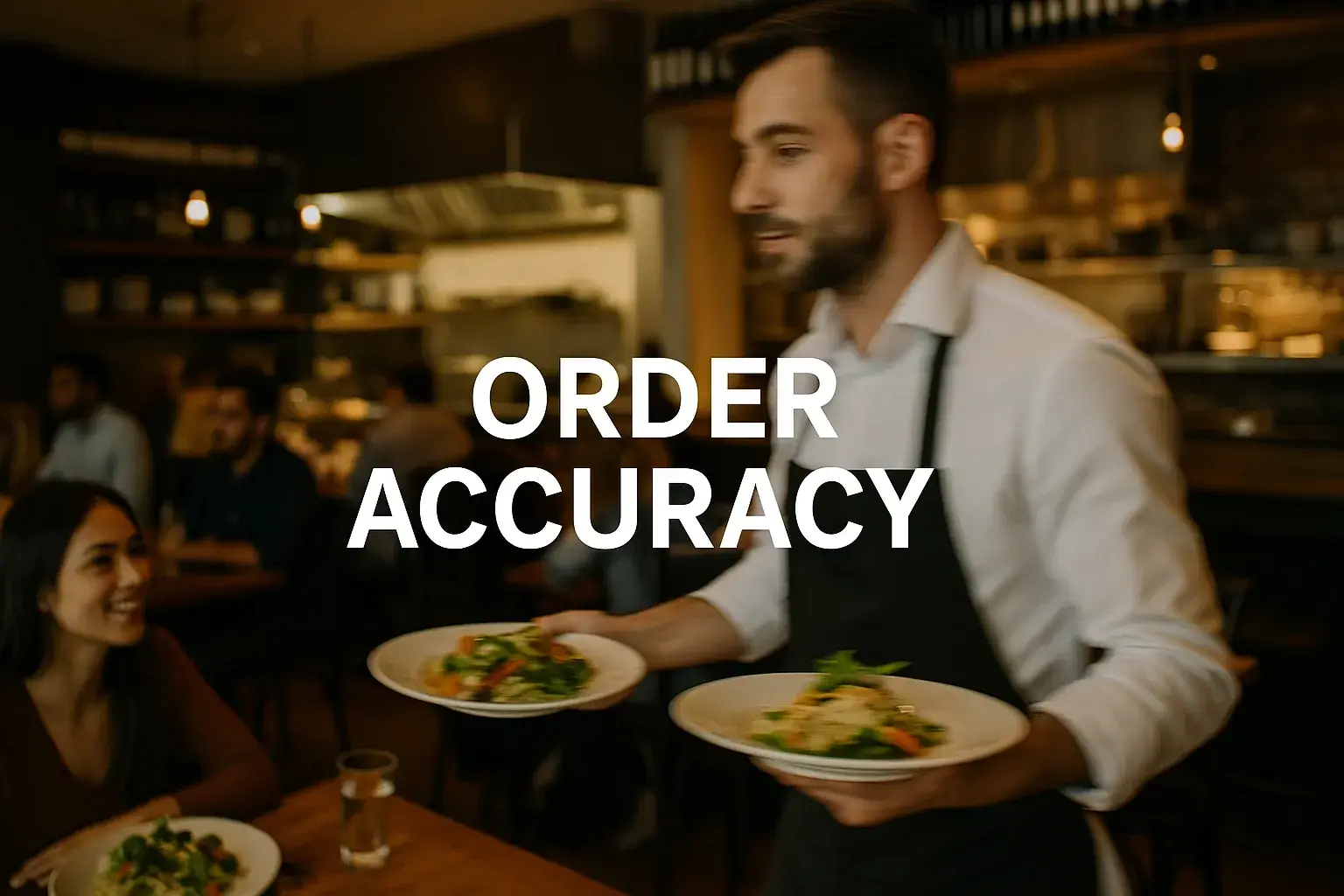
Technology isn’t just a convenience — it’s a necessity for any restaurant aiming to stay competitive. The right digital tools can drastically improve service efficiency, reduce human error, and keep staff in sync.
Use Modern POS and Order Management Systems
A modern POS system can connect the front-of-house with the kitchen in real time, speeding up order processing and ensuring accuracy. Many systems also offer built-in analytics, helping managers identify bottlenecks and track performance.
Digital Tools Beyond POS
- Table management software: Helps hosts assign tables efficiently and reduce wait times.
- Online ordering and reservation platforms: Streamline off-premise orders and manage peak times better.
- Kitchen display systems (KDS): Replace paper tickets and improve communication with visual order tracking.
Best practices for tech integration:
- Choose systems that integrate seamlessly with existing workflows.
- Provide proper staff training before rollout.
- Use performance data to continuously refine processes.
Incorporating technology is one of the fastest ways to optimize restaurant service flow and create a smoother dining experience without compromising quality.
5. Invest in Continuous Staff Training and Cross-Training
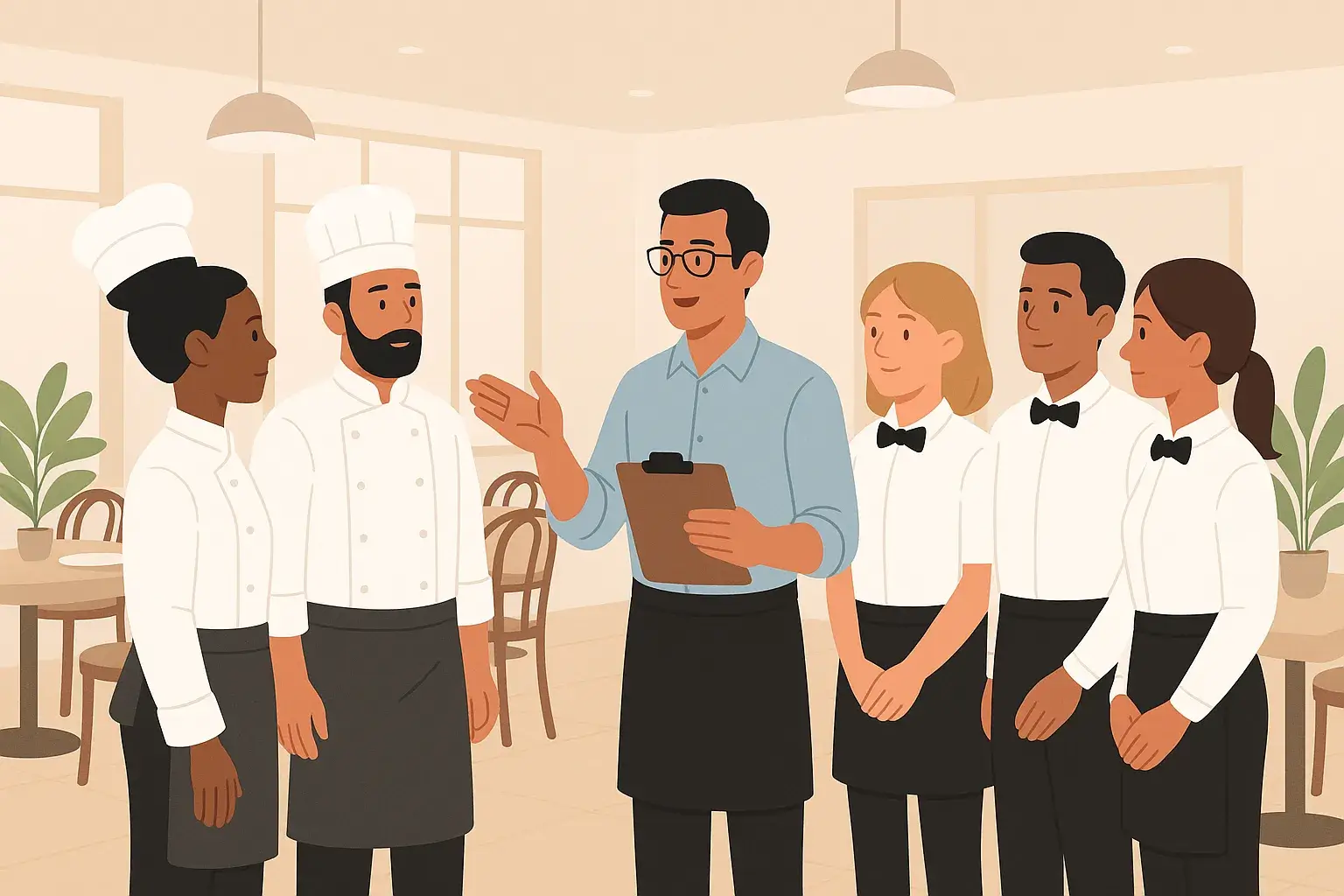
Even the best systems and layouts won’t work if the team isn’t well-trained. People are at the heart of restaurant service, and investing in their skills pays off in faster, more consistent service.
Empower Staff with Skills and Confidence
Regular training sessions keep staff updated on SOPs, communication protocols, and service standards. Training should also include soft skills like handling complaints and upselling — both of which impact customer experience.
Cross-Training for Flexibility
Cross-training staff to handle multiple roles ensures operations don’t grind to a halt during busy times or absences. For example, servers trained in bussing can quickly reset tables, while hosts trained in order entry can assist during rushes.
Staff training tips:
- Conduct short weekly refreshers or “micro-training” sessions.
- Run service simulations to test team coordination.
- Encourage feedback from staff to improve workflow.
A well-trained team doesn’t just improve operational efficiency — they create a culture of continuous improvement that benefits both staff and guests.
🍲 Bonus Tips: Small Tweaks, Big Results
Sometimes, small adjustments can have a big impact on service flow. Here are a few quick wins:
- Use mystery diners or video recordings to analyse bottlenecks.
- Gather customer feedback on wait times and service quality.
- Adjust staff schedules based on real-time demand patterns.
These continuous improvements keep your restaurant agile and responsive to customer needs.
🧑🍳 How Restaurant Consultants Can Help Optimize Service Flow
While these strategies are highly effective, implementing them correctly can be complex. This is where professional expertise makes a difference. Experienced restaurant consultants in Delhi can analyse your existing workflow, redesign layouts, train staff, and integrate the right technologies to transform your operations.
From evaluating your current service flow to customizing solutions for your unique challenges, consultants bring industry insights that can save time, reduce costs, and boost profits.
📈 Final Thoughts: Service Flow Is the Heartbeat of a Successful Restaurant
A restaurant’s success isn’t just about food — it’s about how efficiently that food reaches the customer and how smoothly the entire experience unfolds. By improving communication, optimizing layout, setting clear SOPs, leveraging technology, and investing in training, restaurant owners can dramatically streamline their operations and deliver exceptional service.
In a competitive industry where every second counts, mastering restaurant service flow optimization isn’t optional — it’s essential.
And if you want a deeper dive into optimizing workflows from the ground up, check out our previous guide on kitchen workflow design — a must-read for any owner serious about scaling their business.
❓ FAQ Section – Short & SEO-Optimized (Delhi-Focused)
Q1: What is restaurant service flow optimization?
Restaurant service flow optimization is the process of improving how service moves from kitchen to table, enhancing efficiency, speed, and customer experience.
Q2: Why is service flow important for Delhi restaurants?
In Delhi’s fast-paced dining scene, efficient service flow reduces wait times, increases table turnover, and improves customer satisfaction — all crucial for staying competitive.
Q3: How can restaurant consultants in Delhi help improve service flow?
They analyse your operations, redesign workflows, train staff, and recommend technology solutions to create a seamless and efficient service process.
Q4: What technology improves restaurant service flow?
Modern POS systems, kitchen display systems (KDS), table management software, and online reservation tools are key technologies for faster, more accurate service.
Q5: How often should restaurants review their service flow?
It’s recommended to review and optimize service flow every 3–6 months or whenever major operational changes occur.